01
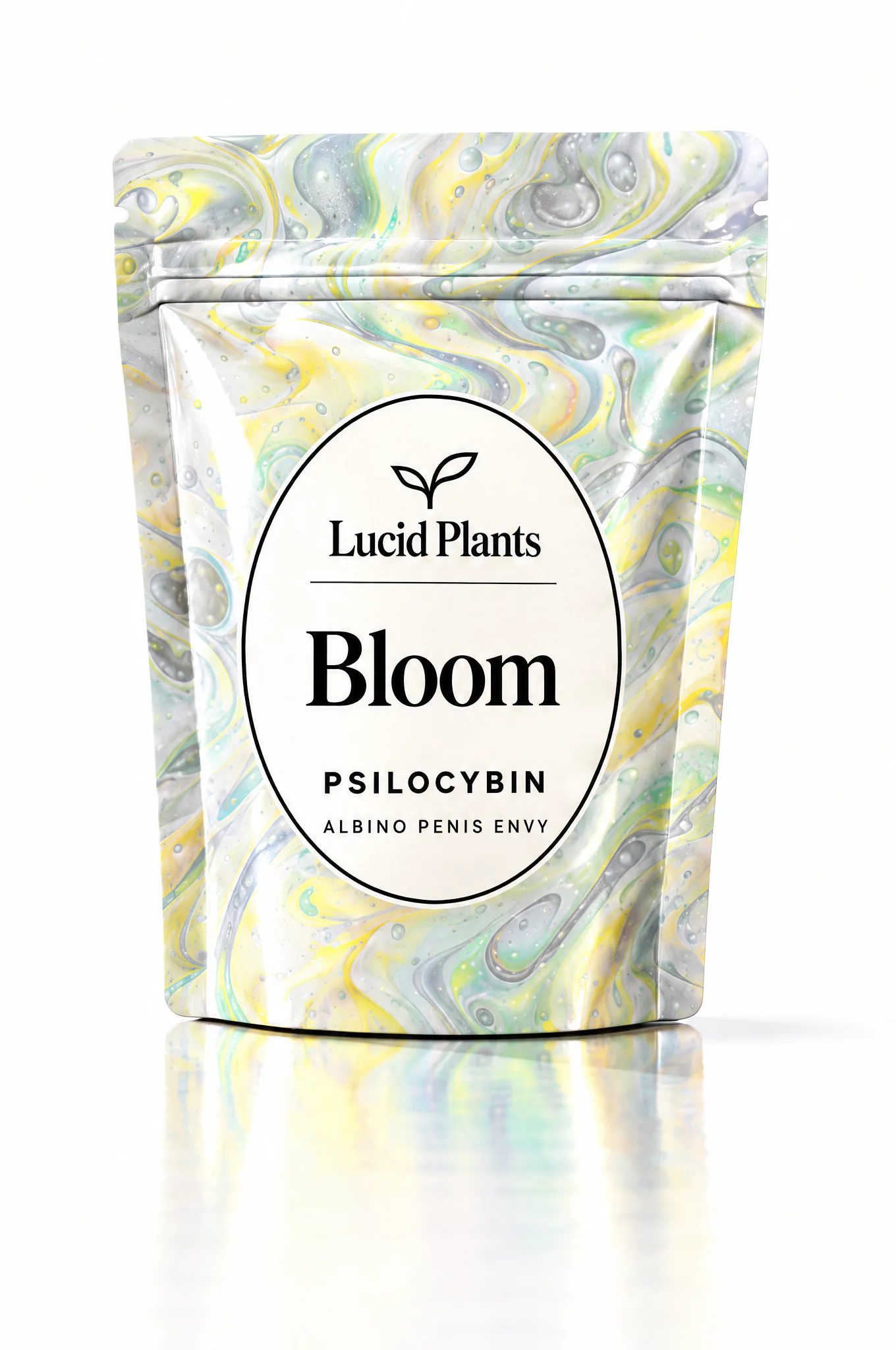
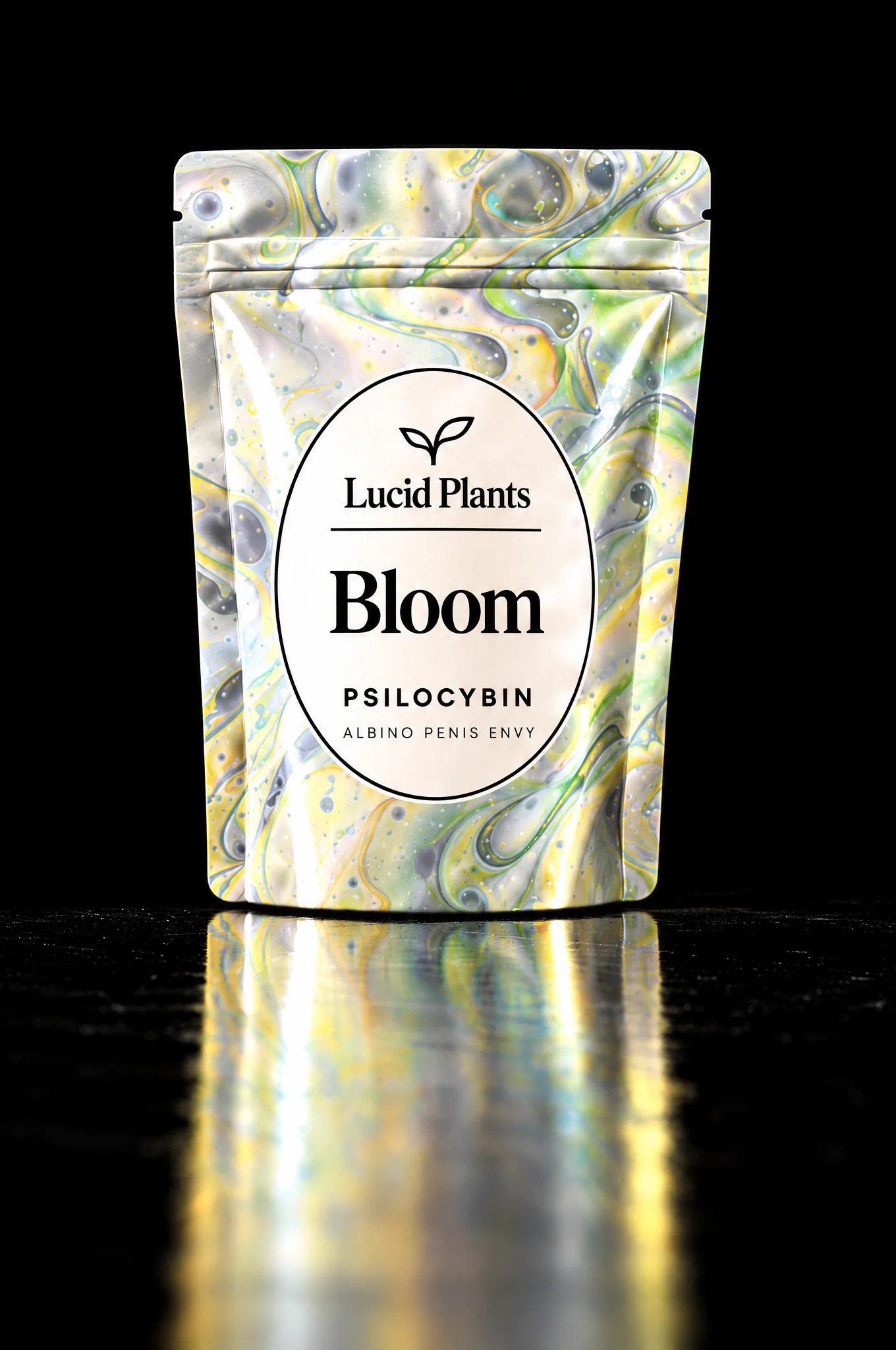 Albino Penis EnvyPSILOCYBIN
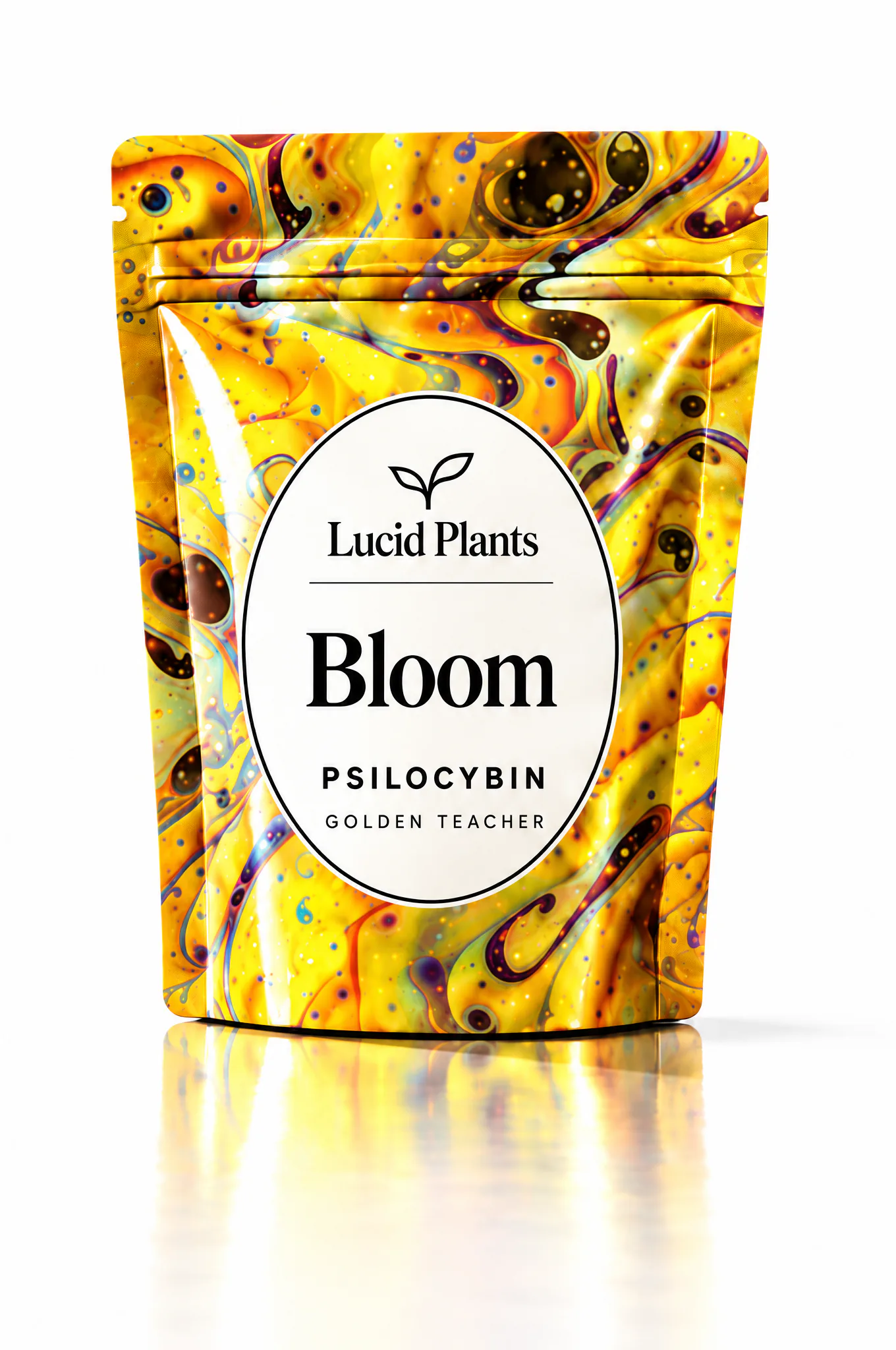
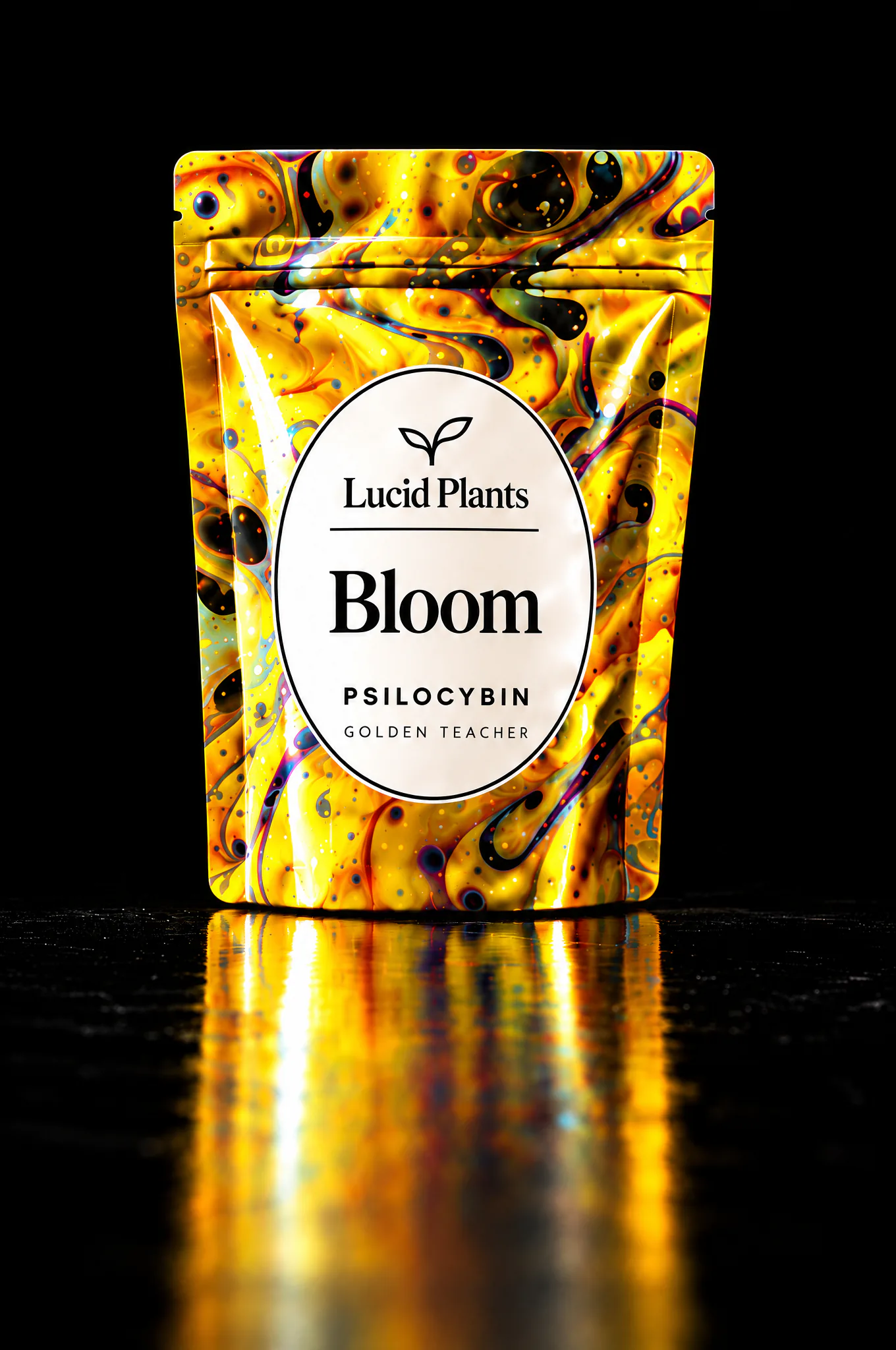 Golden TeacherPSILOCYBIN
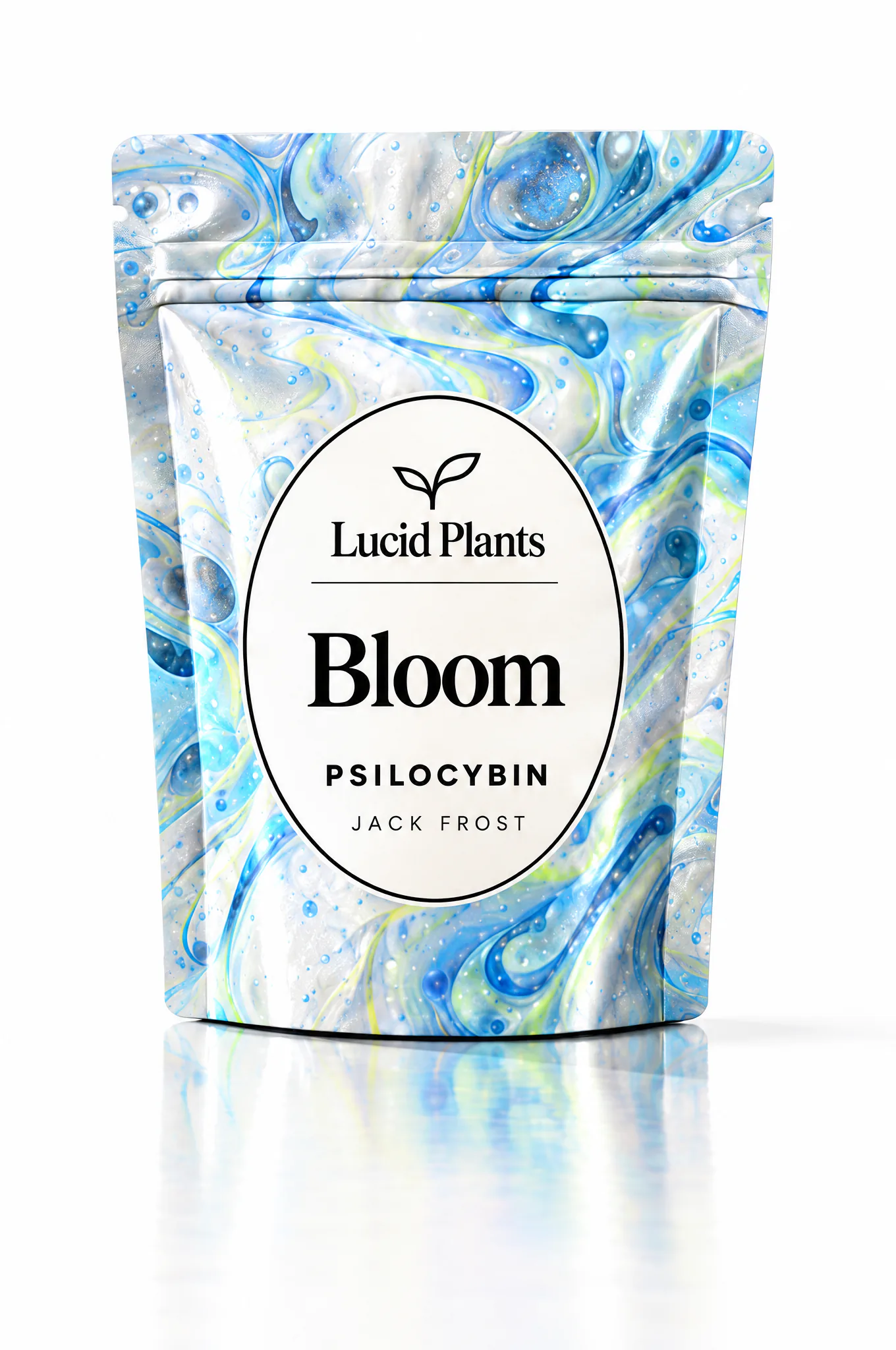
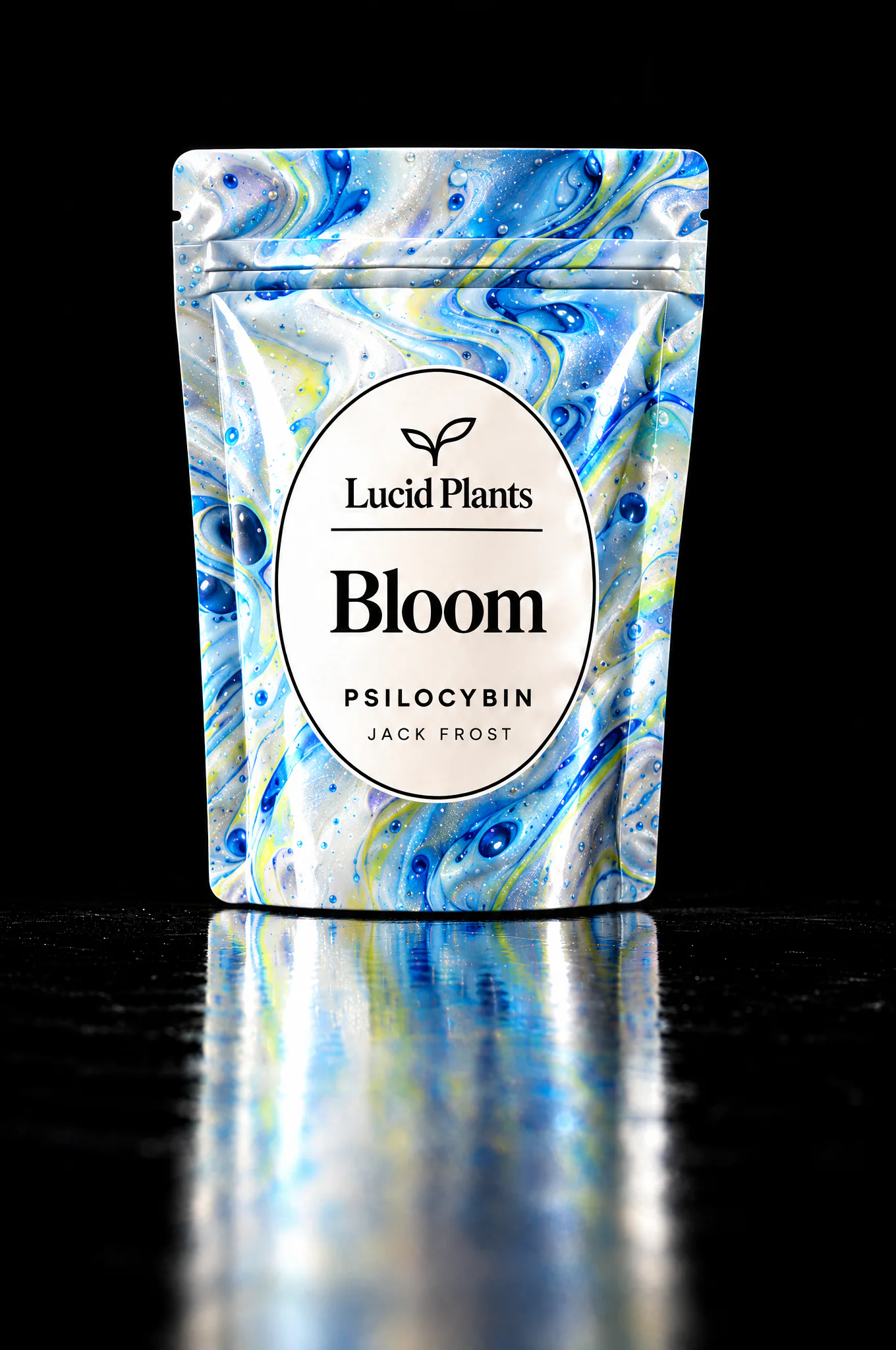 Jack FrostPSILOCYBIN
Bloom
PsilocybinA bright, familiar expression of psilocybin, made for the legal world.
Meet BloomLucid Plants is the psychedelic brand of Lucentive. We are making beautiful, honest medicine from psilocybin, ayahuasca, DMT, LSD and mescaline for the legal world that is coming.
Read the story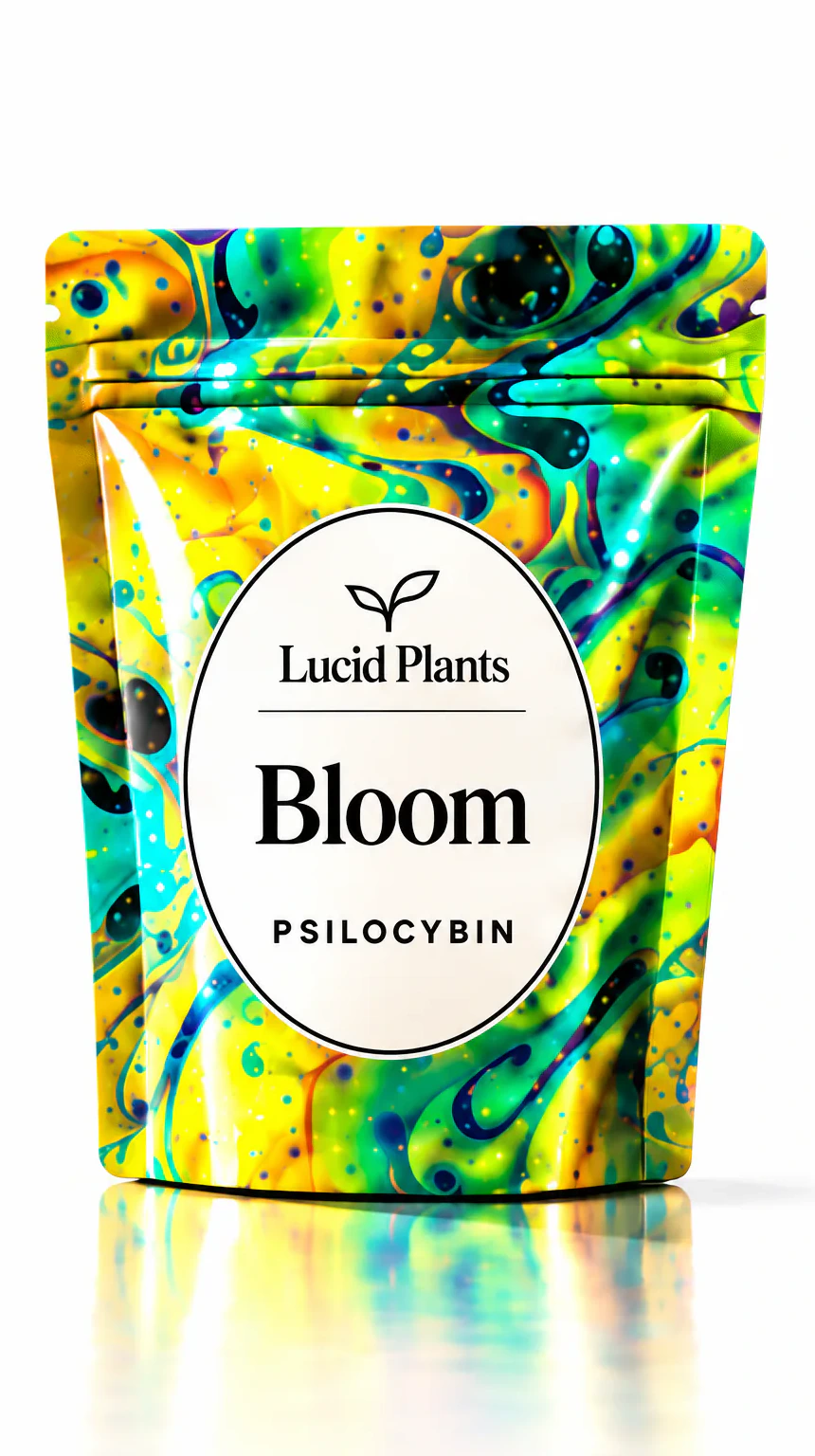
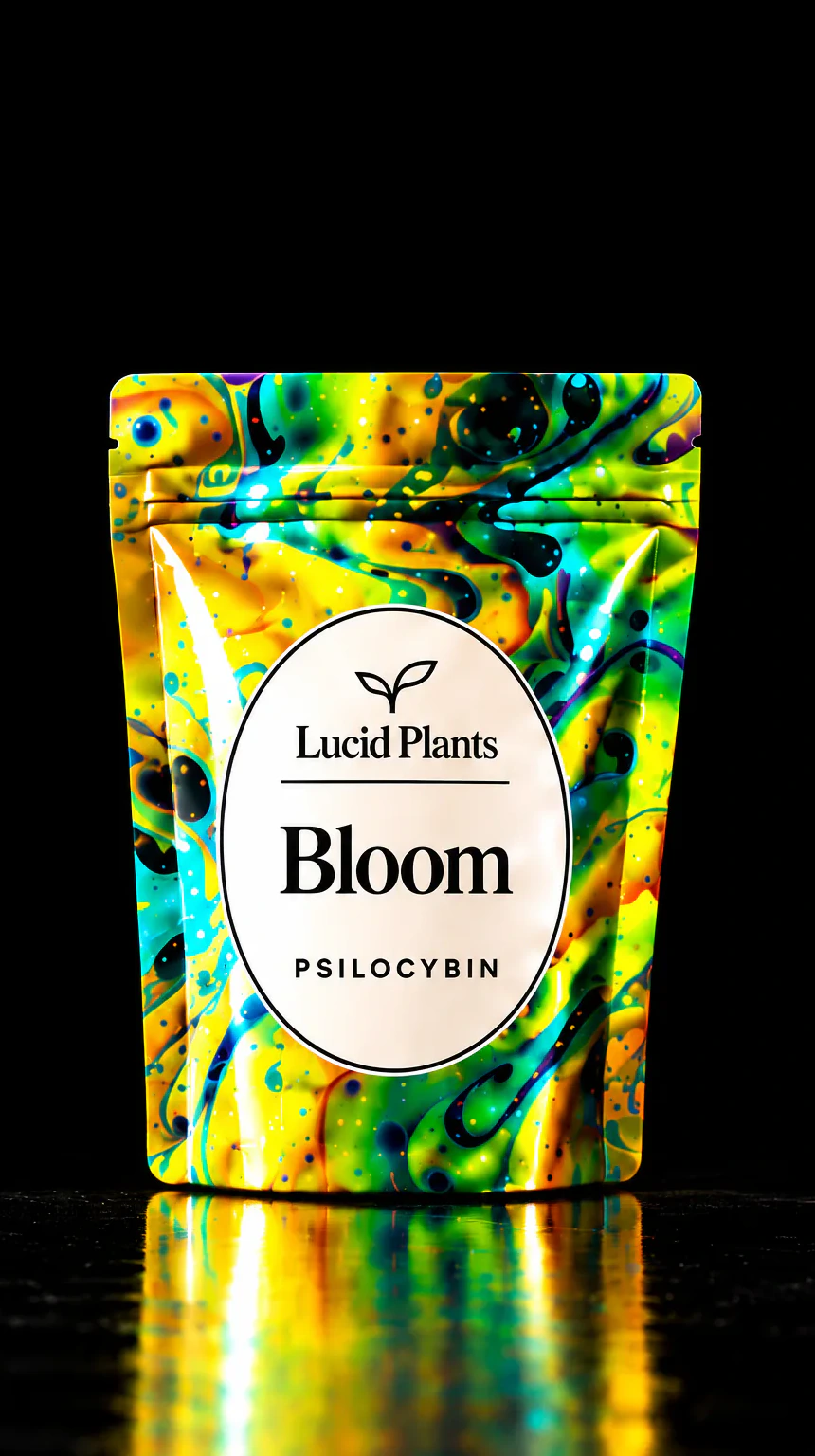 A bright, familiar expression of psilocybin, made for the legal world.Open Bloom
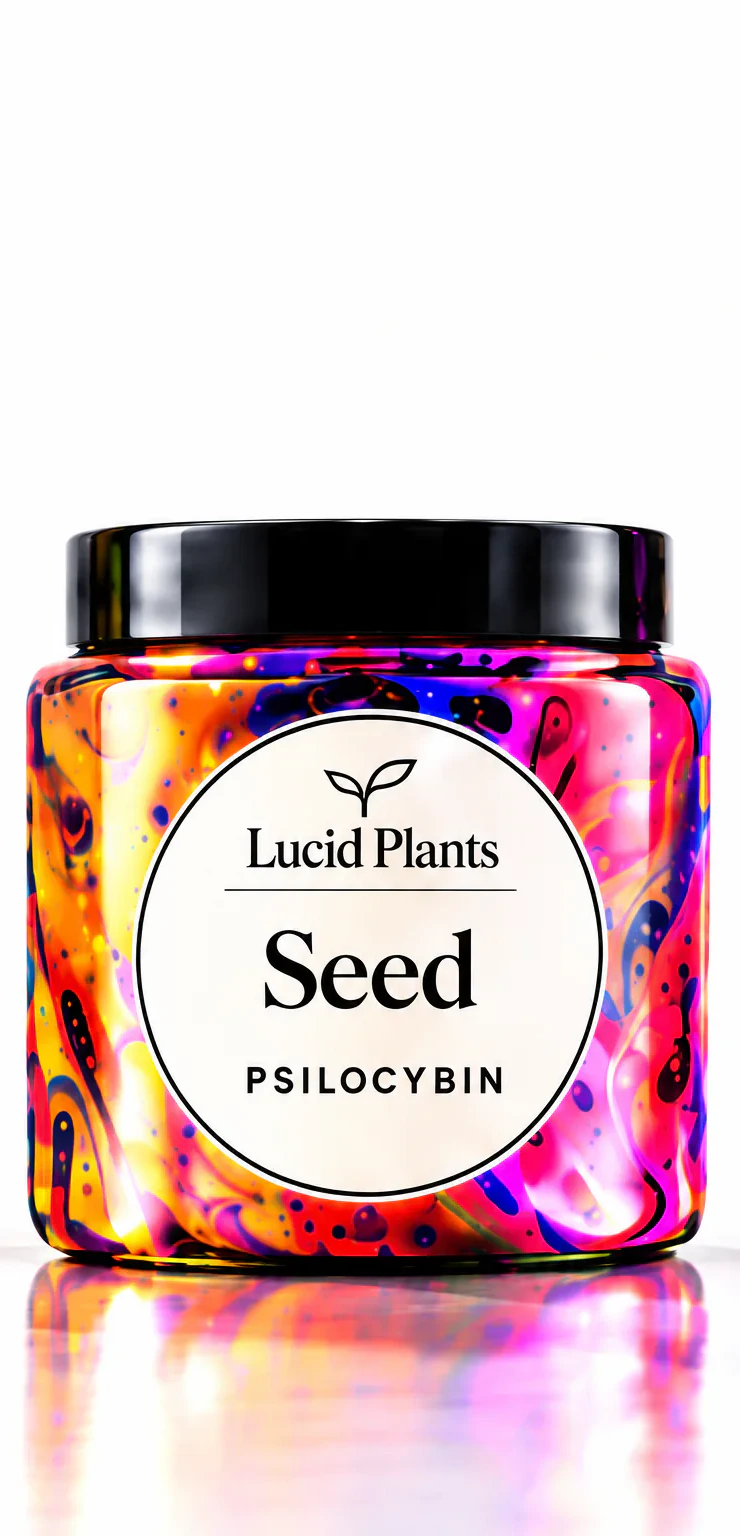
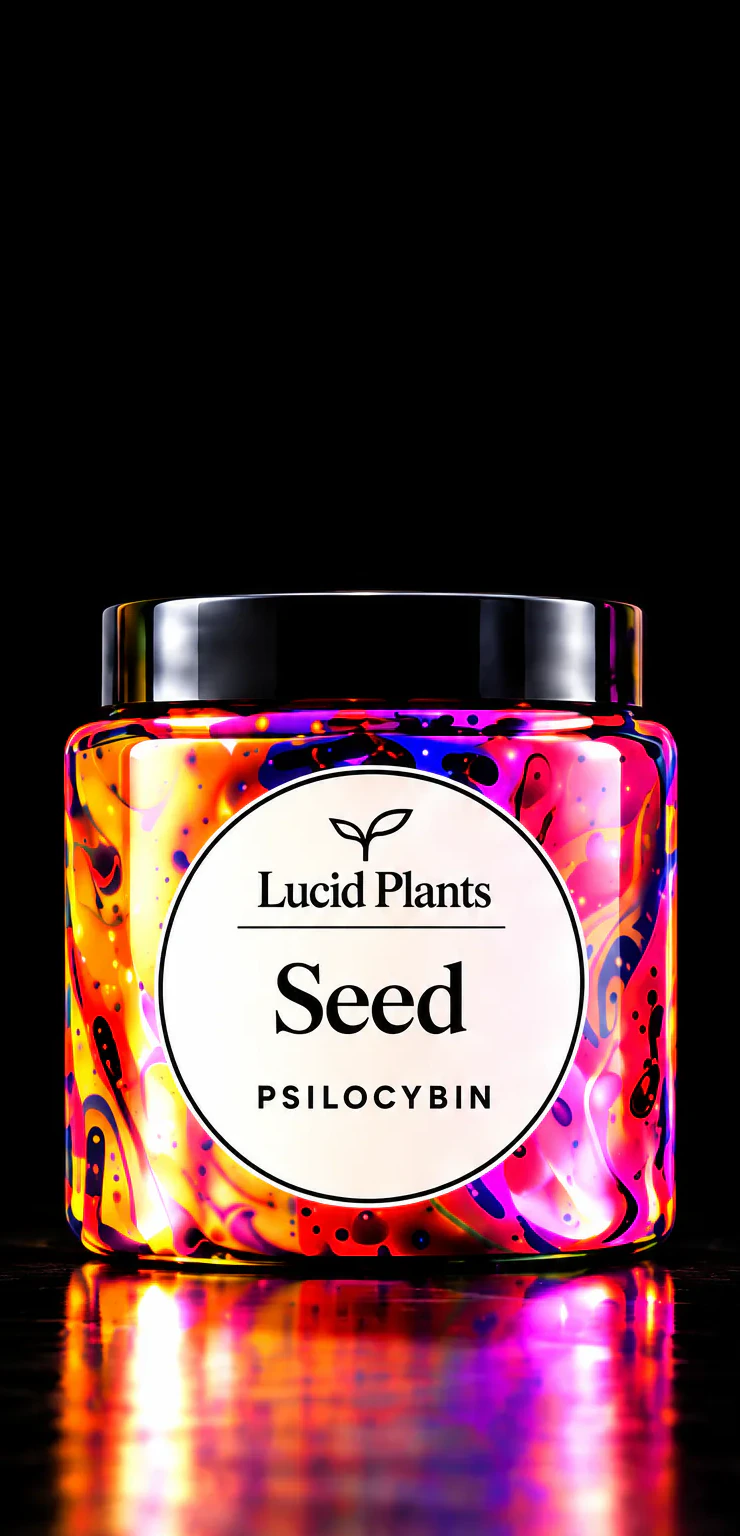 A quiet psilocybin capsule built around intention, clarity, and what may grow afterward.Open Seed
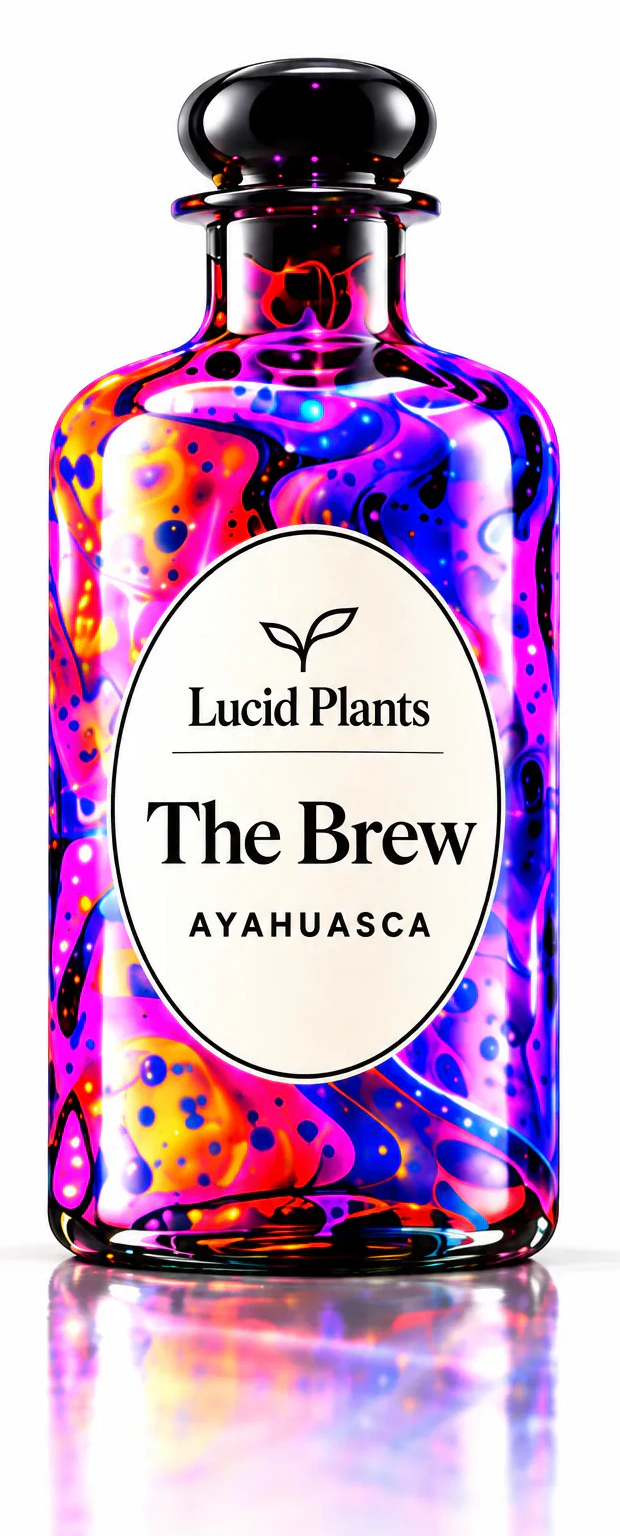
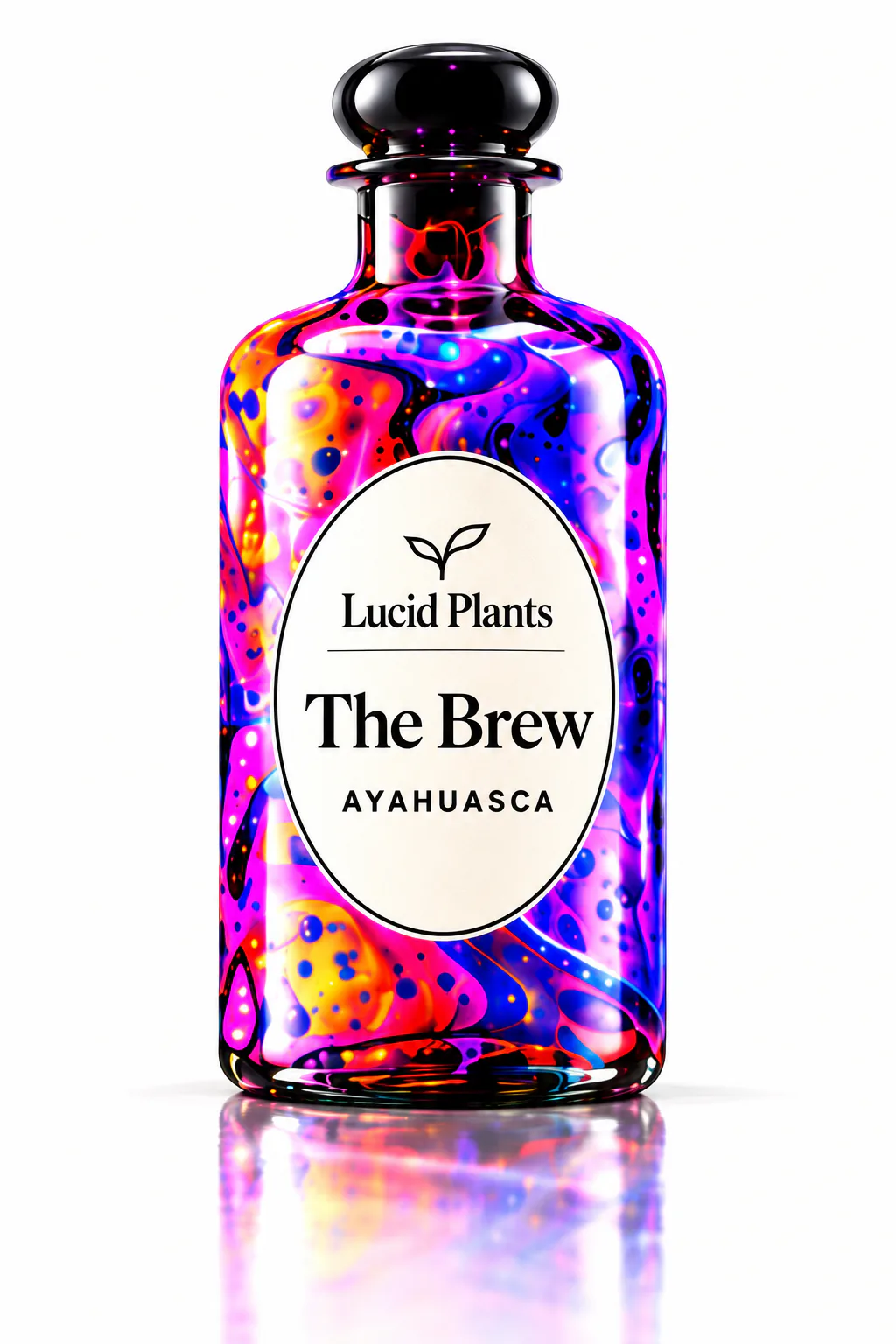
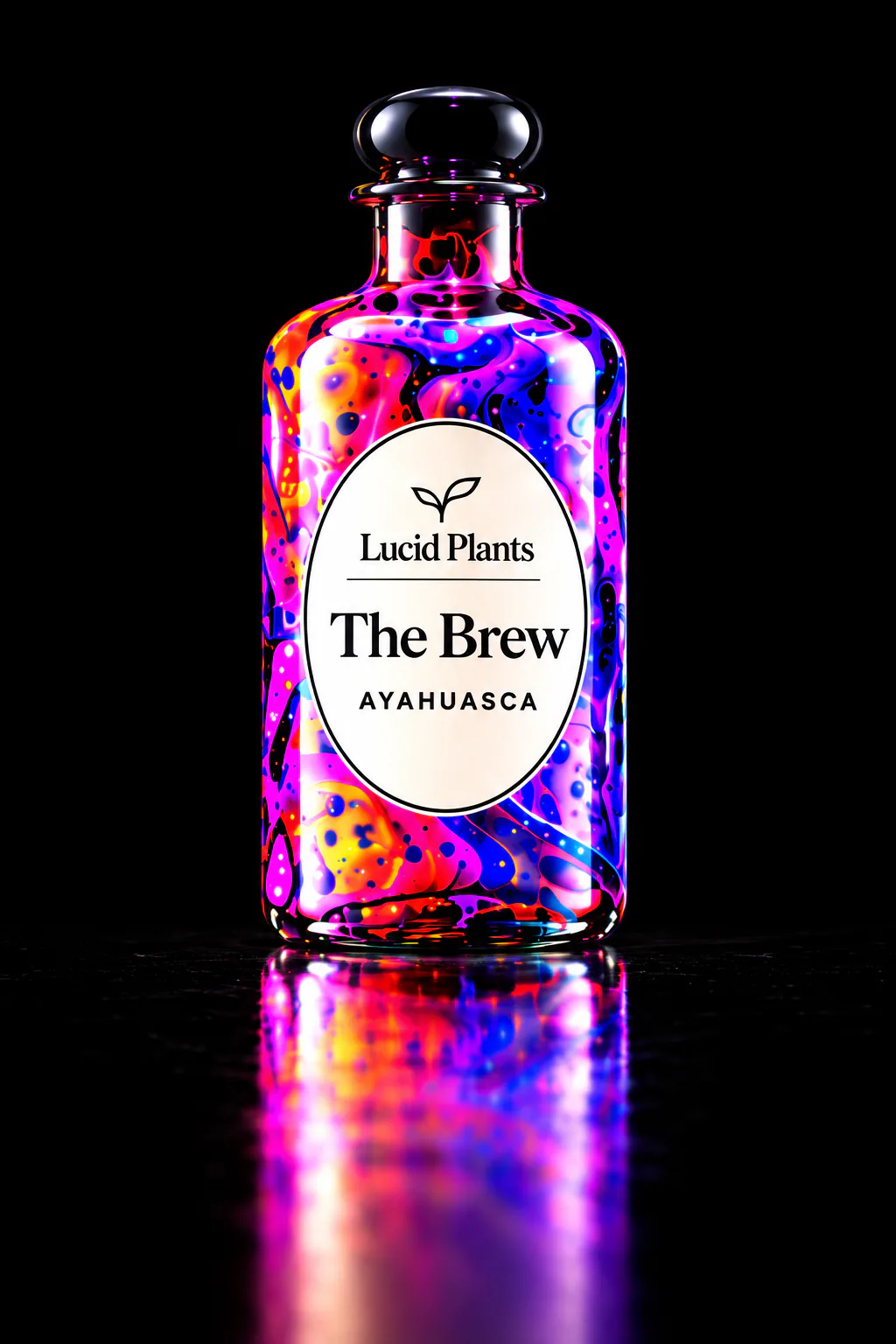
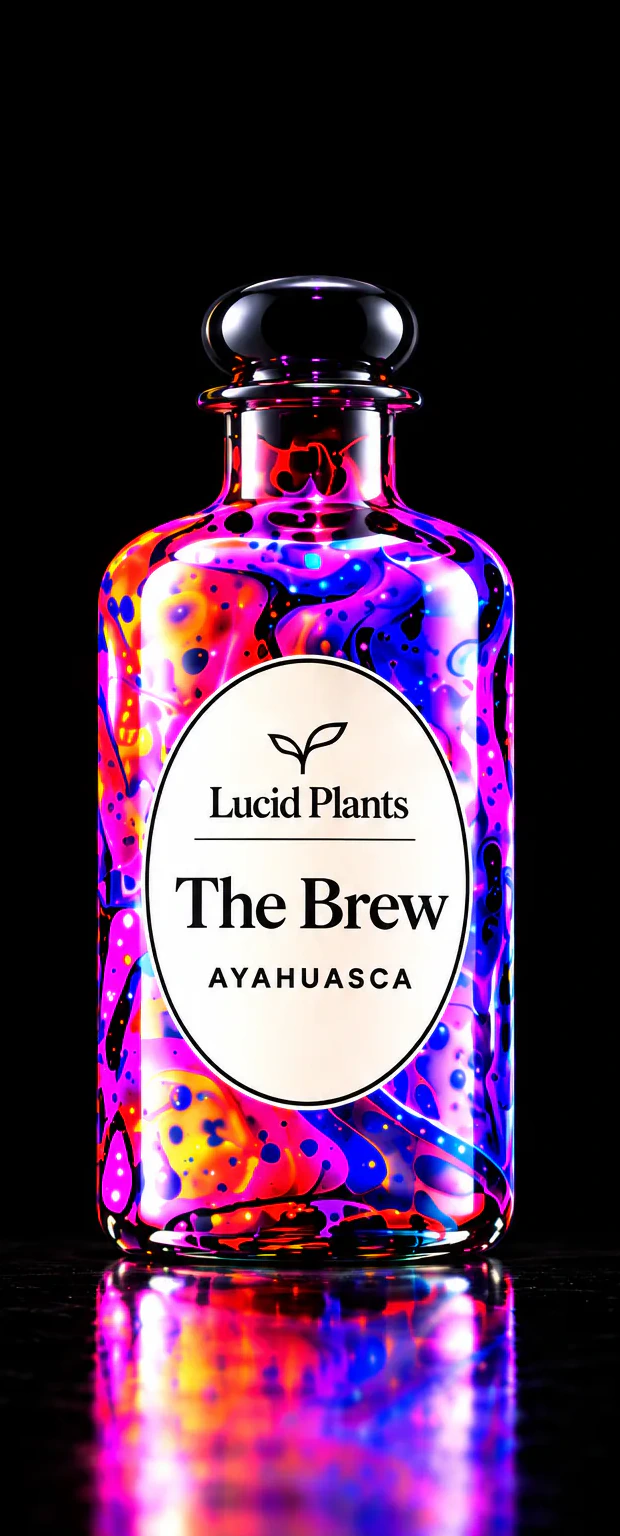 Our fullest ayahuasca expression, held with respect for the living traditions that carried it.Open The Brew
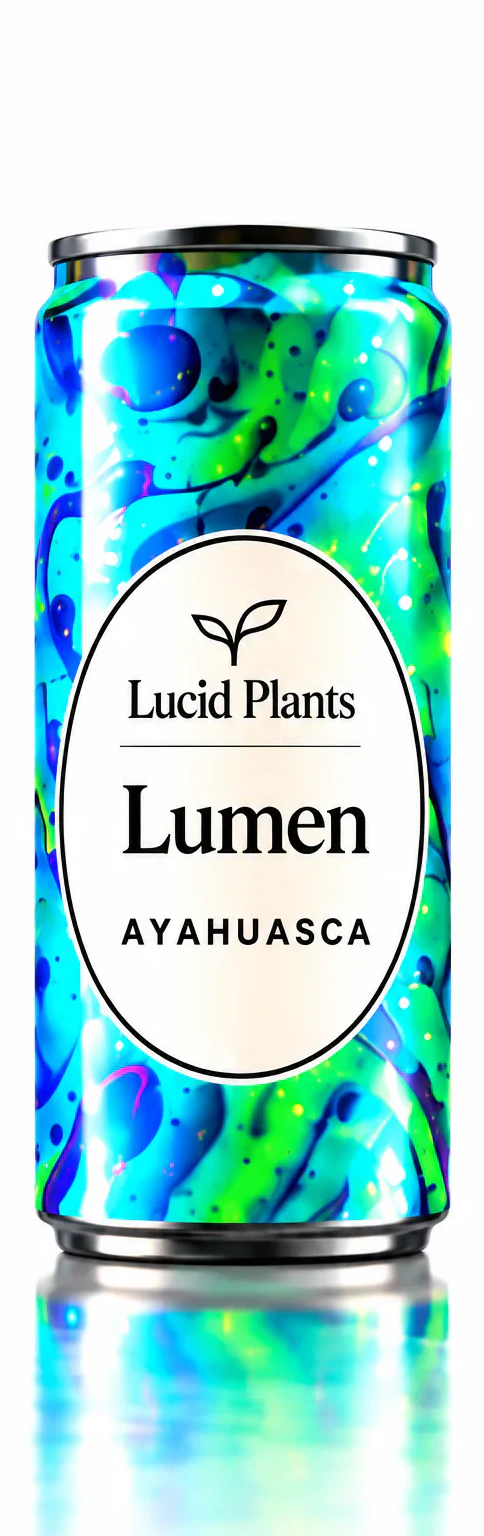
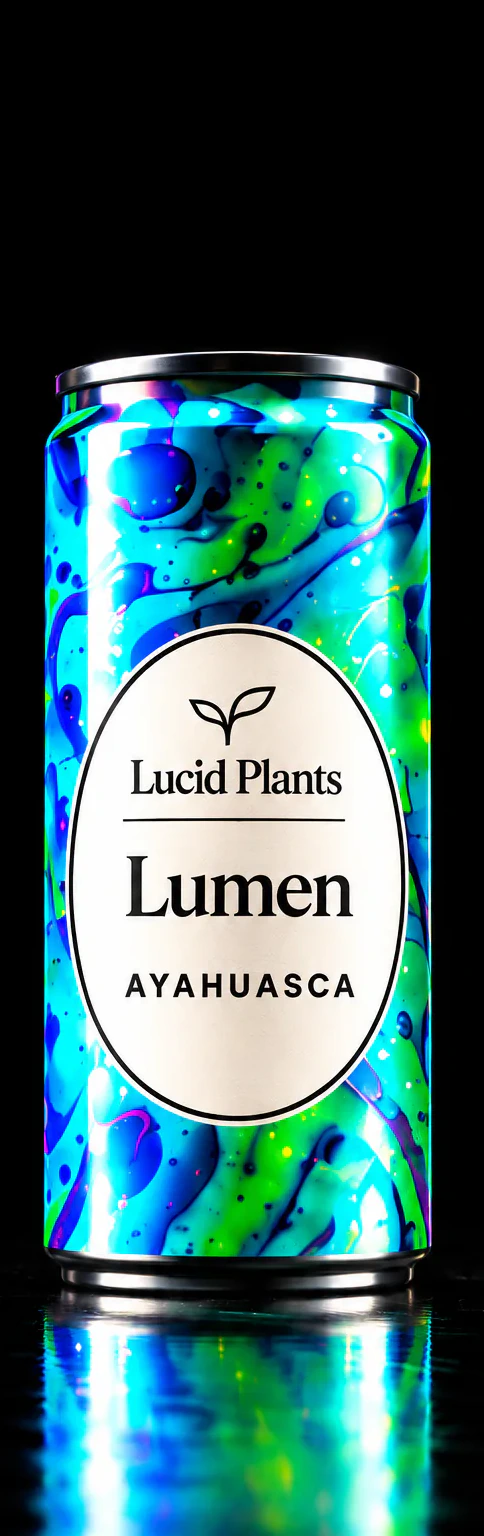 A contemporary ayahuasca-infused tea that keeps the source, the science, and the responsibility visible.Open Lumen
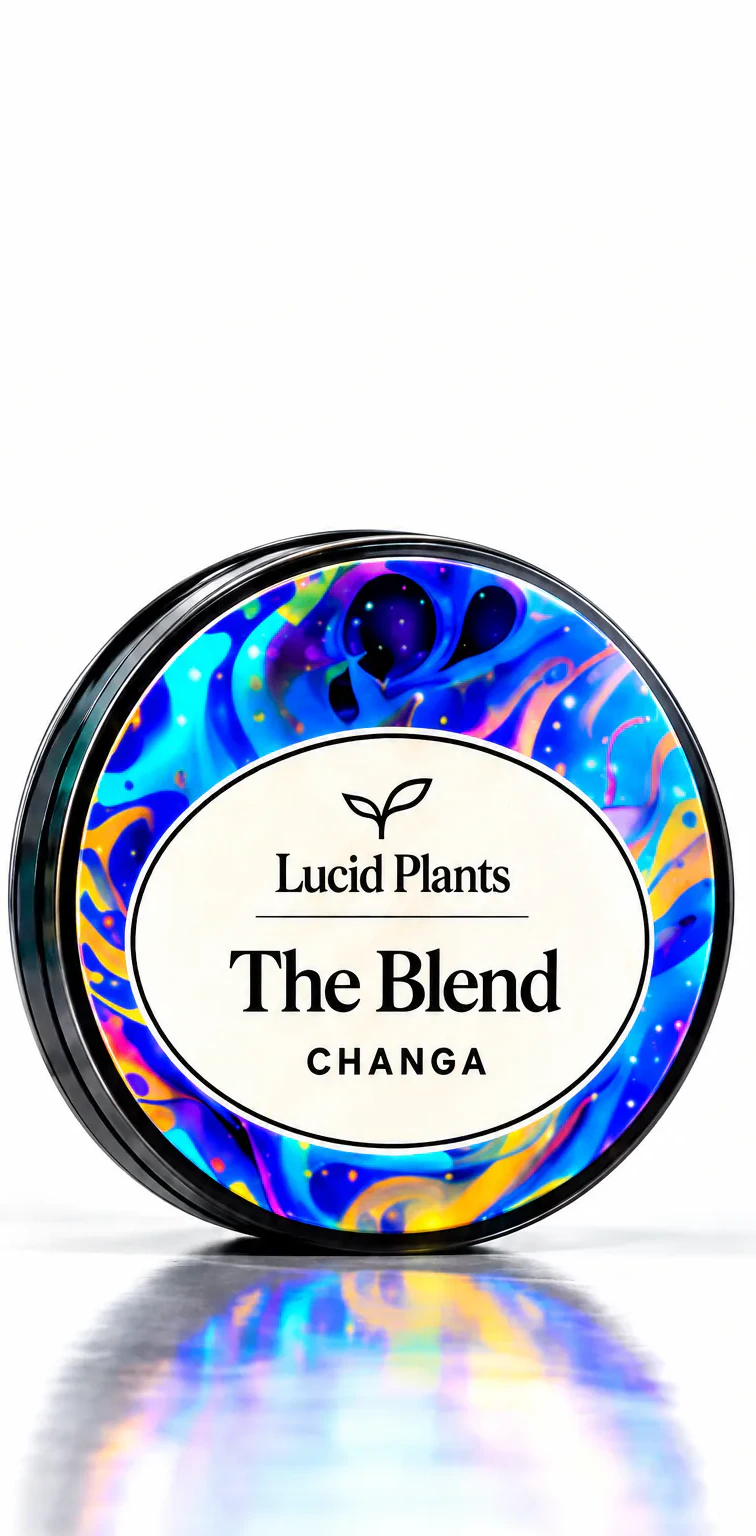
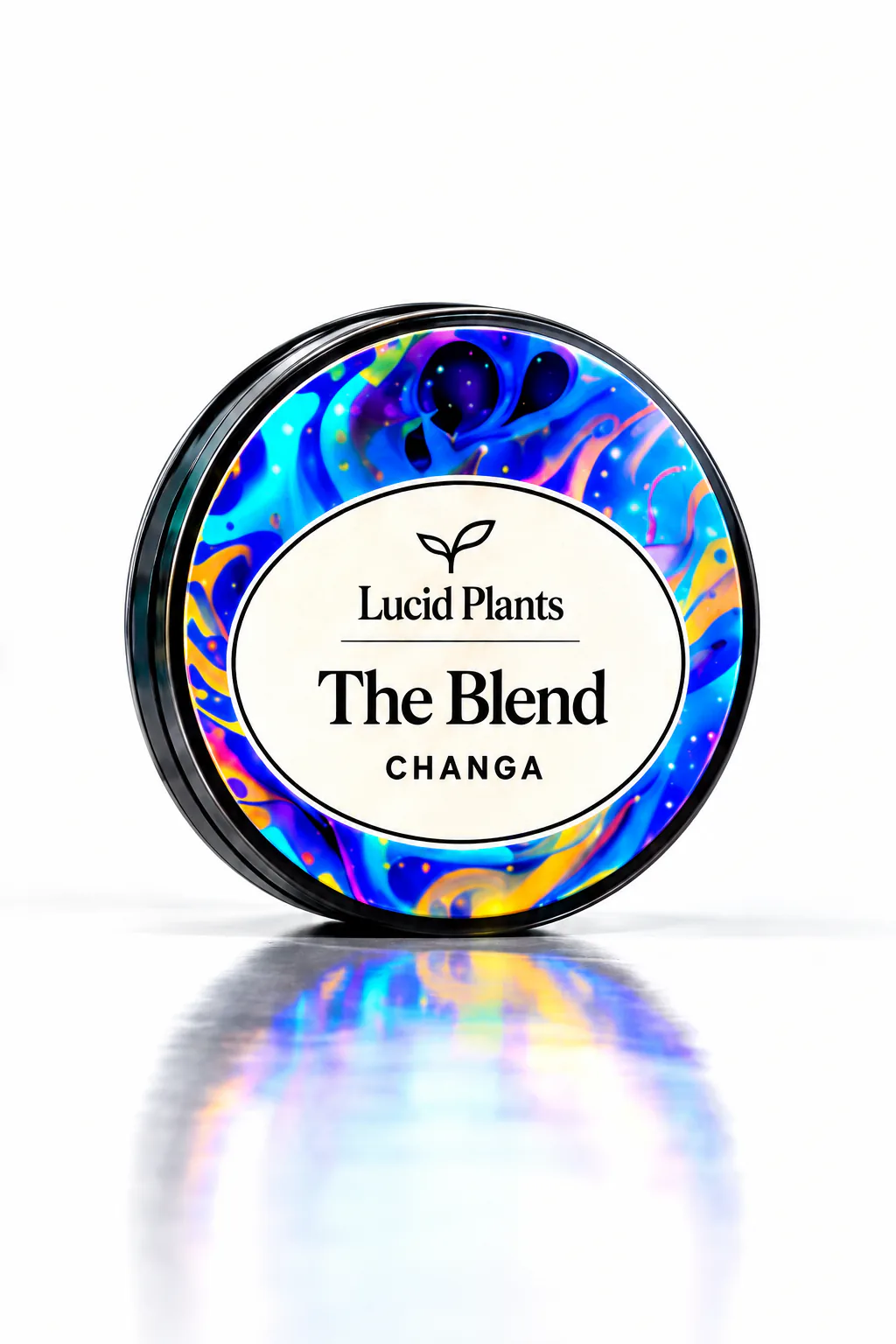
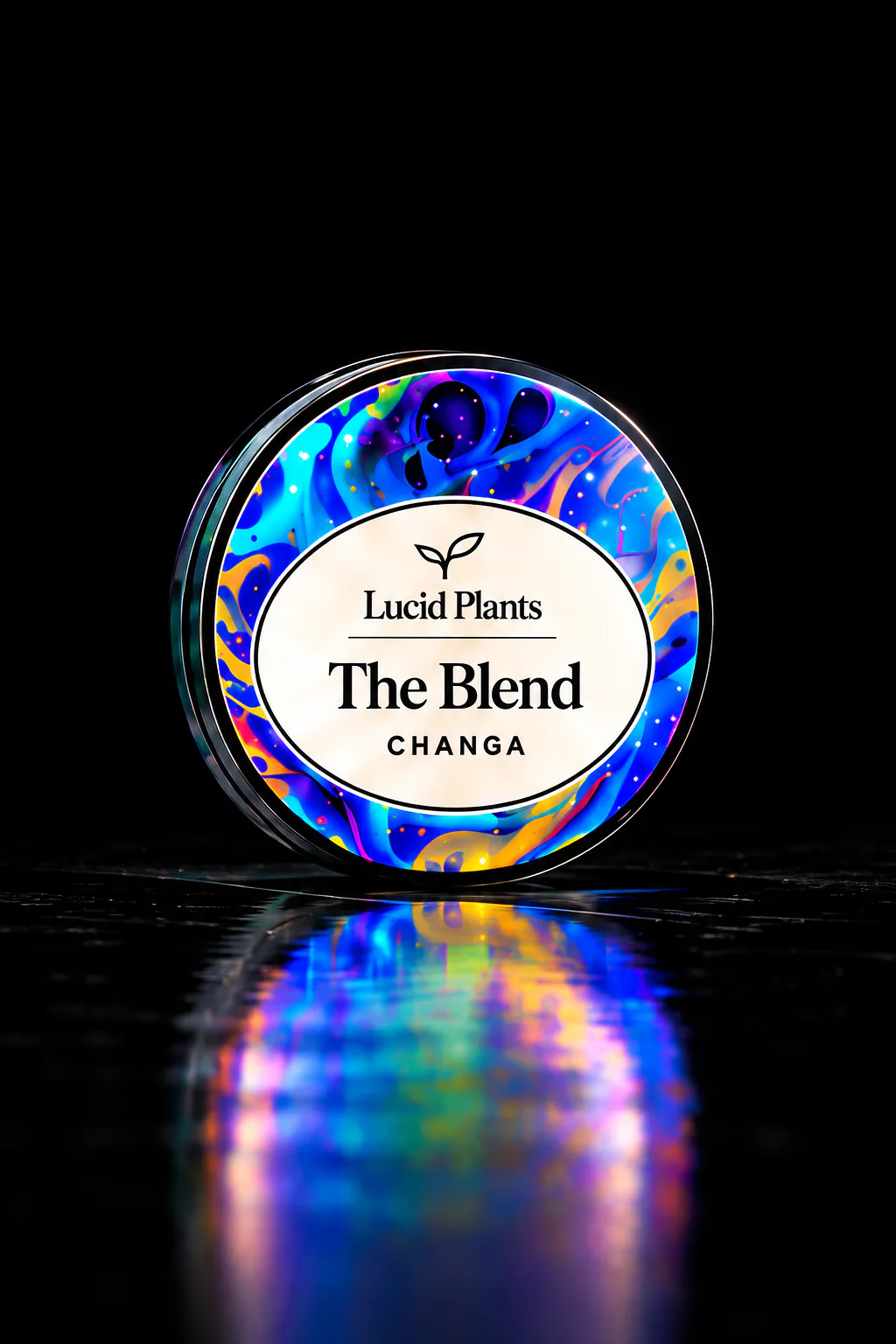
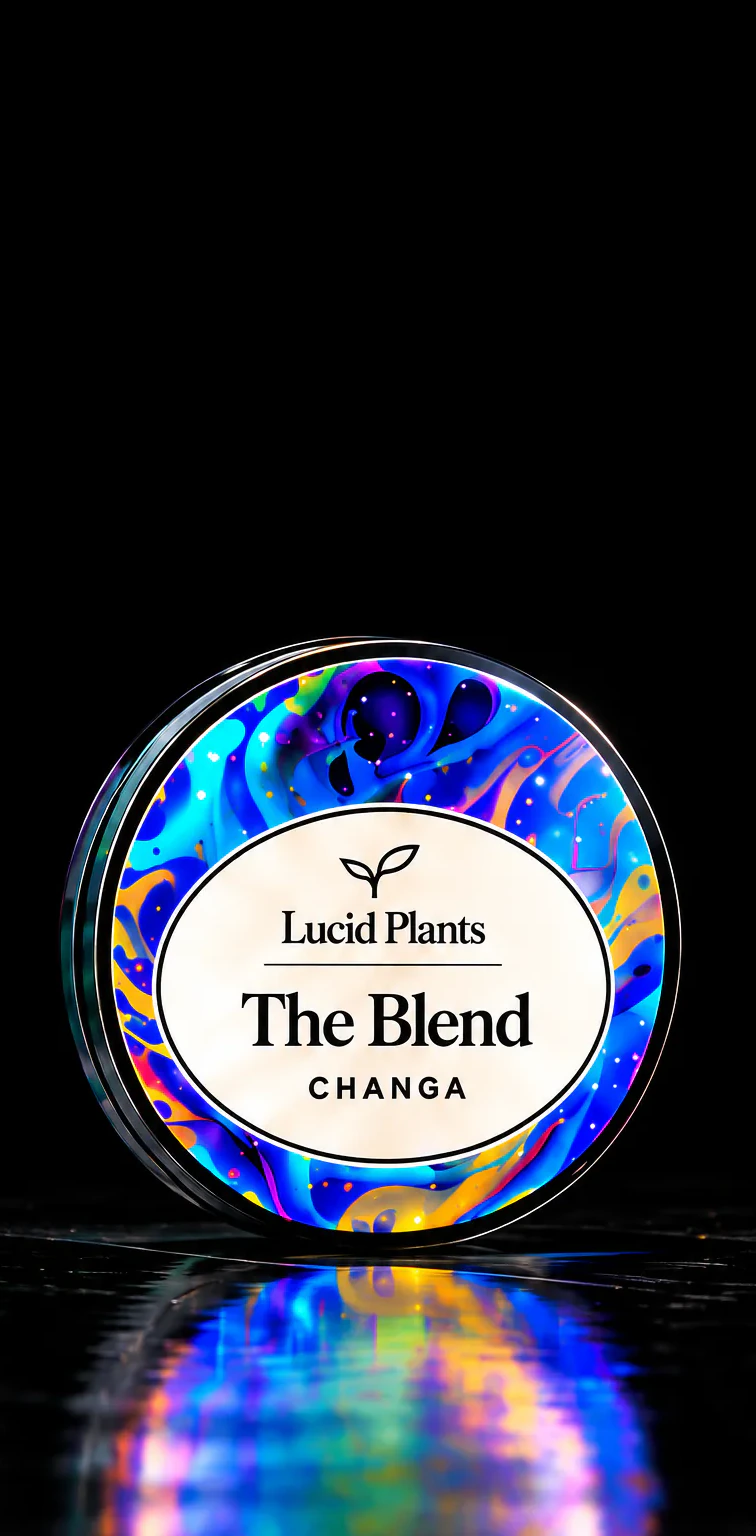 A changa blend that is its own preparation, with its own history and unanswered questions.Open The Blend
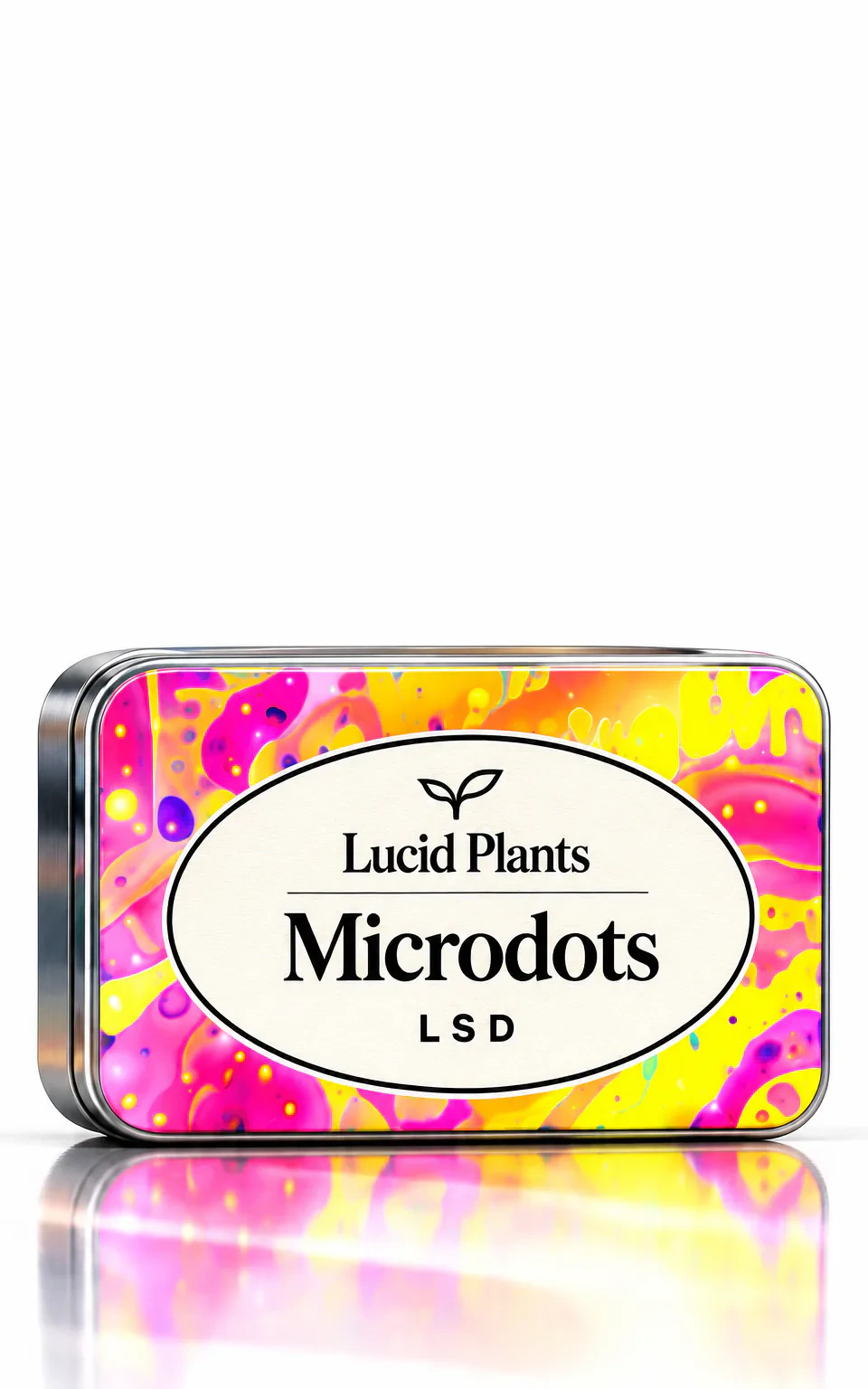
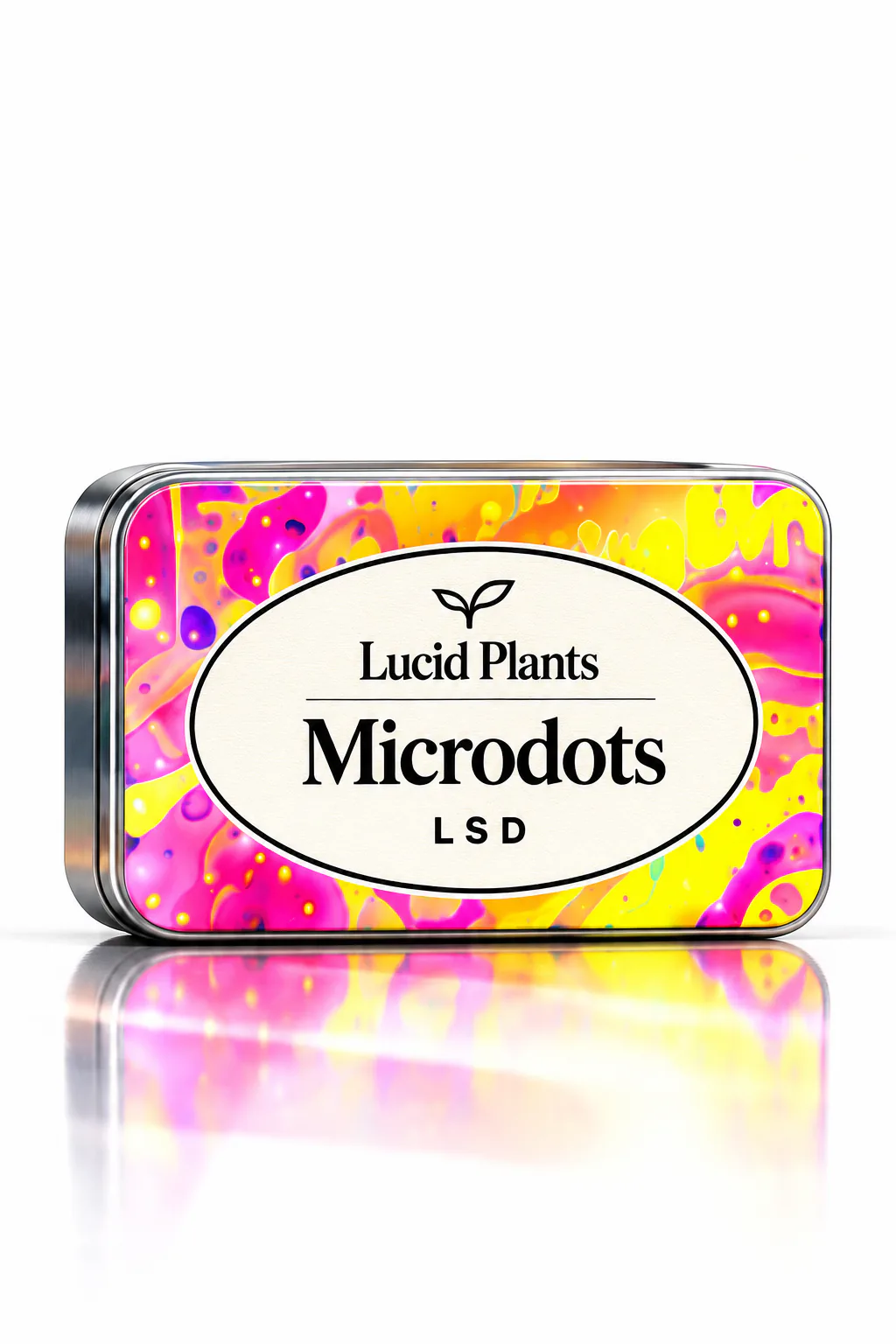
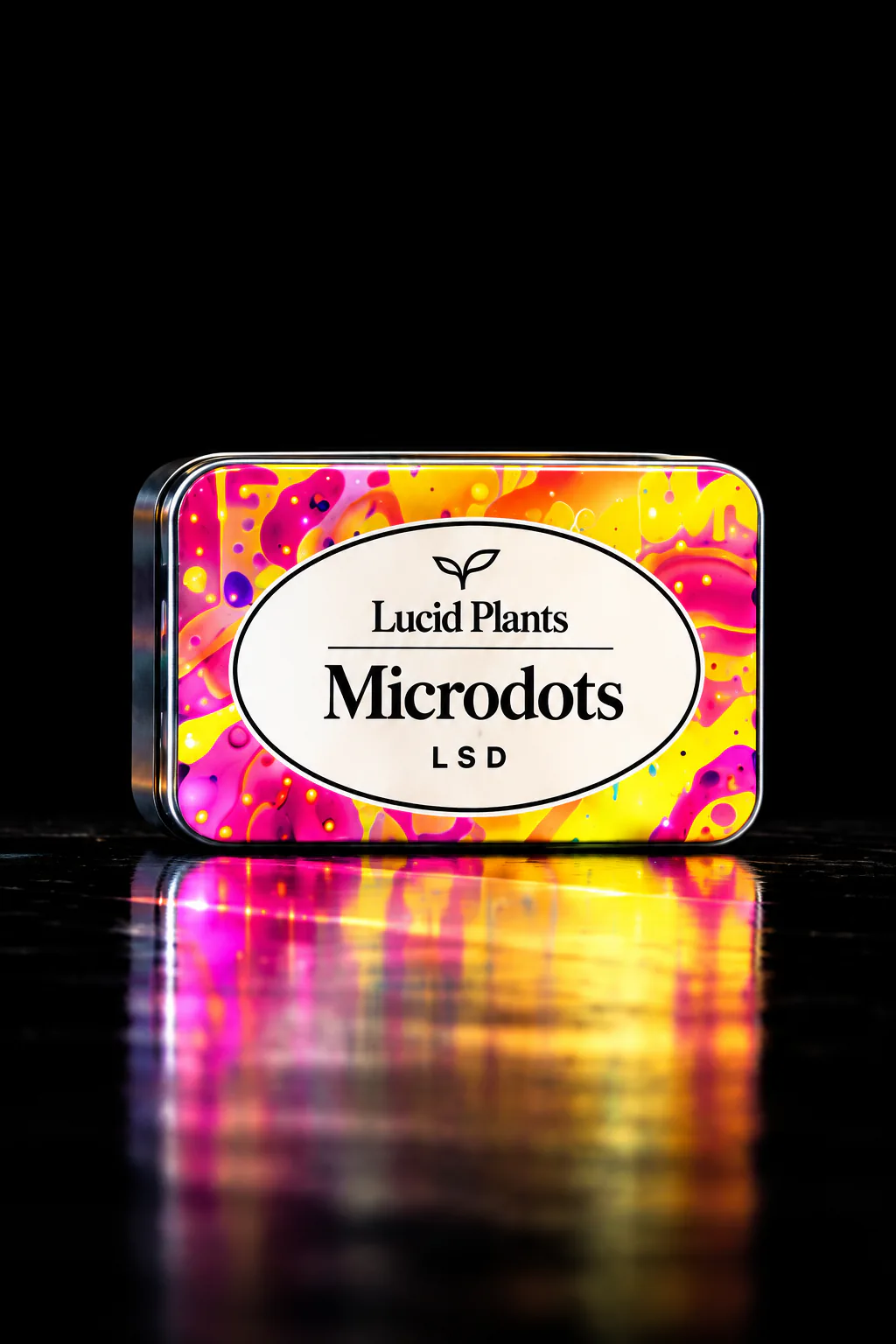
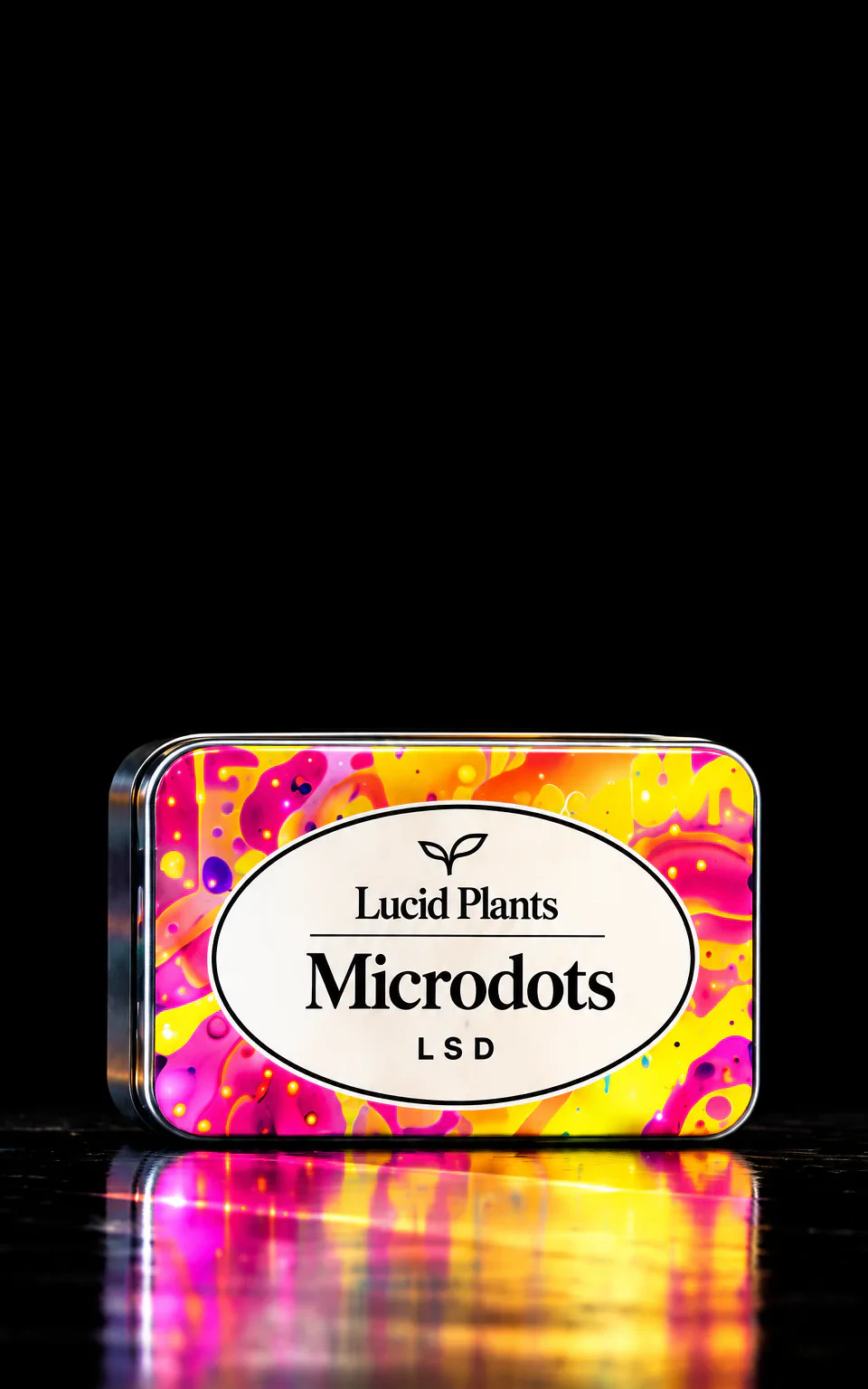 Precise LSD tablets, connected to the molecule that opened modern psychedelic science.Open Microdots
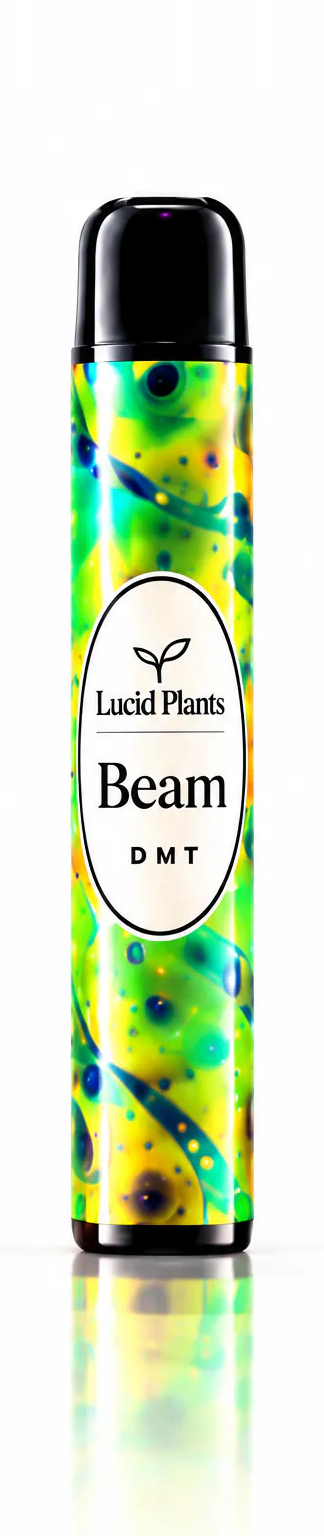
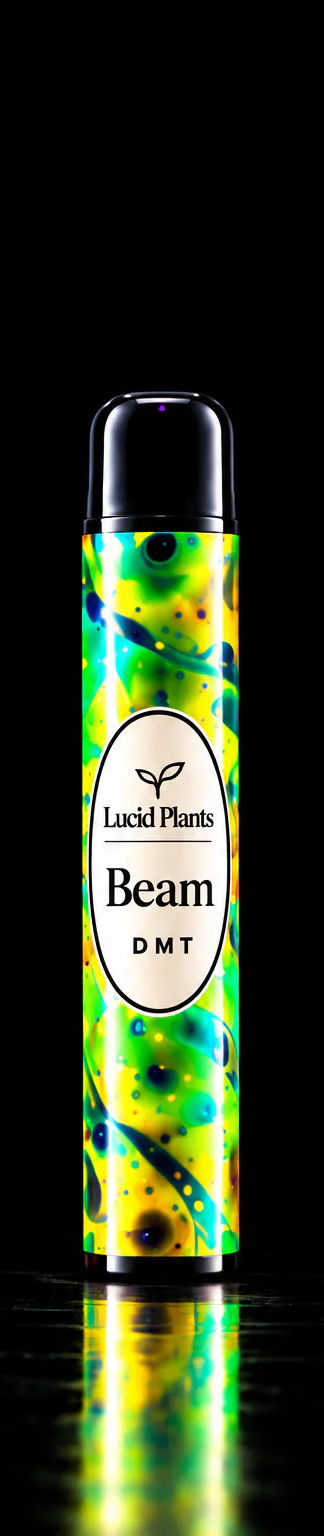 A focused DMT pen for a substance whose speed has made it one of psychedelic research's sharpest questions.Open Beam
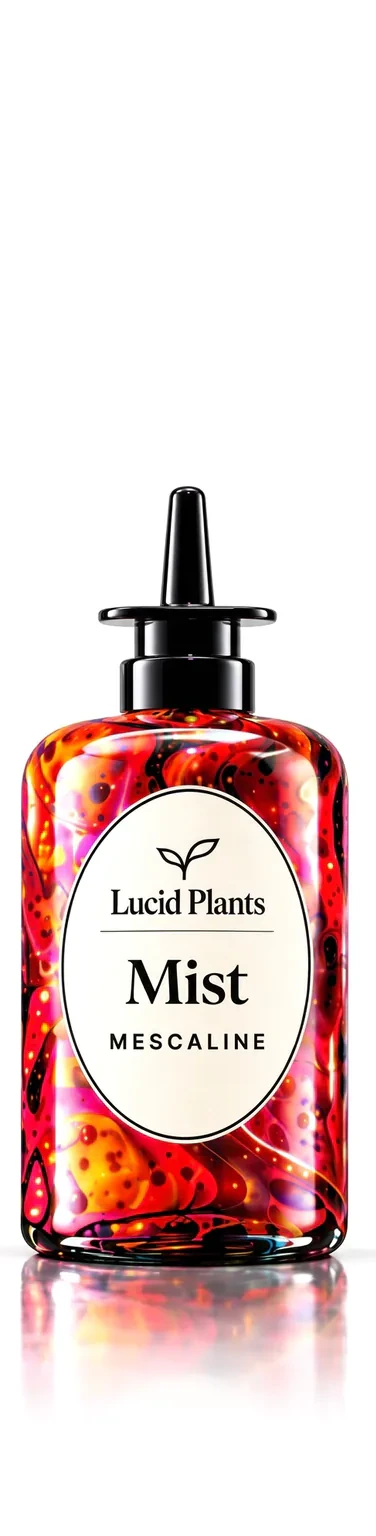
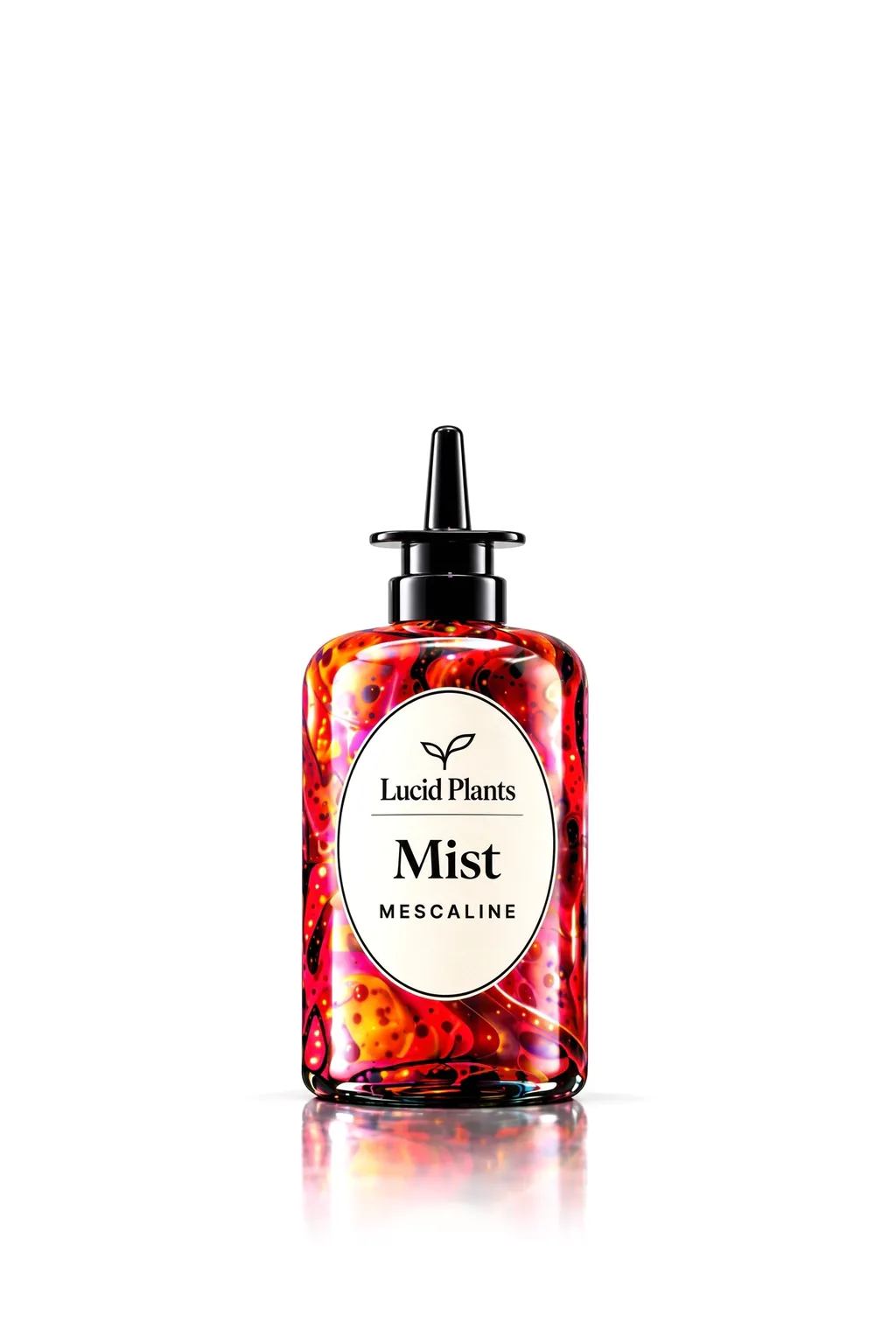
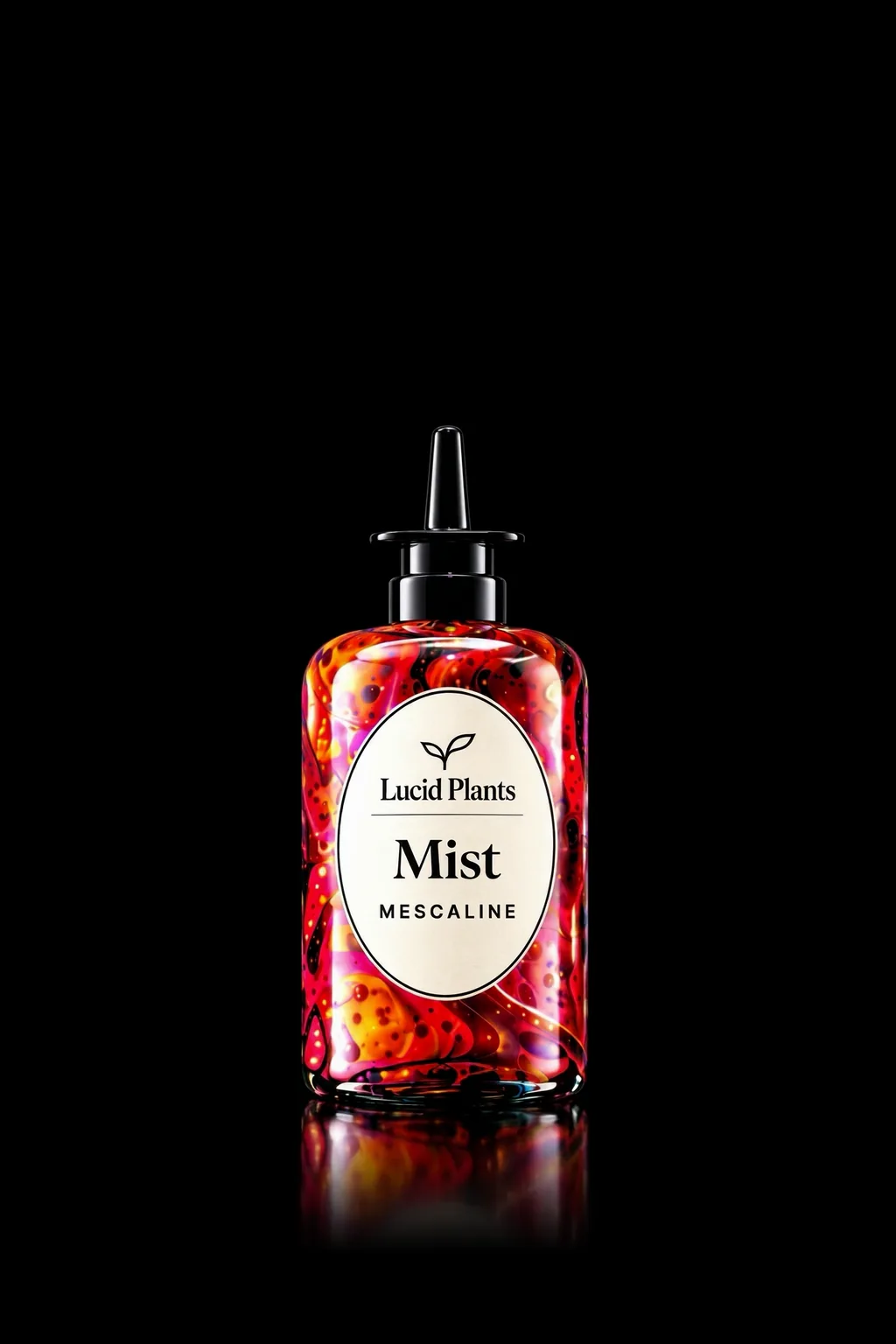
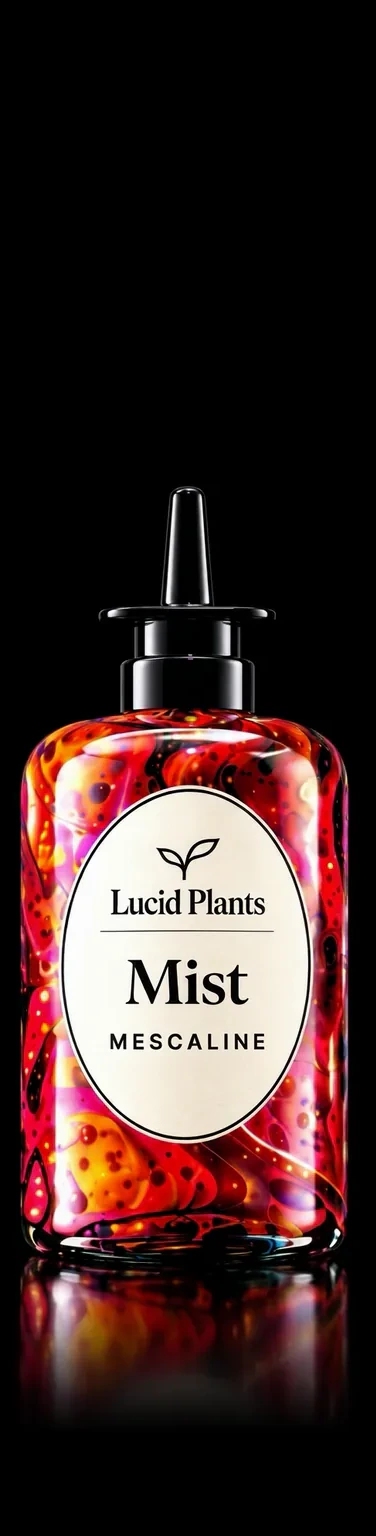 A concentrated mescaline spray in a small glass bottle, made in the laboratory so that no cactus is taken.Open Mist
The Lucid Plants line
Each one has its own form, its own plant and its own story. Every label names the product on top and what is inside below.
Albino Penis EnvyPSILOCYBINGolden TeacherPSILOCYBINJack FrostPSILOCYBINA bright, familiar expression of psilocybin, made for the legal world.
Meet Bloom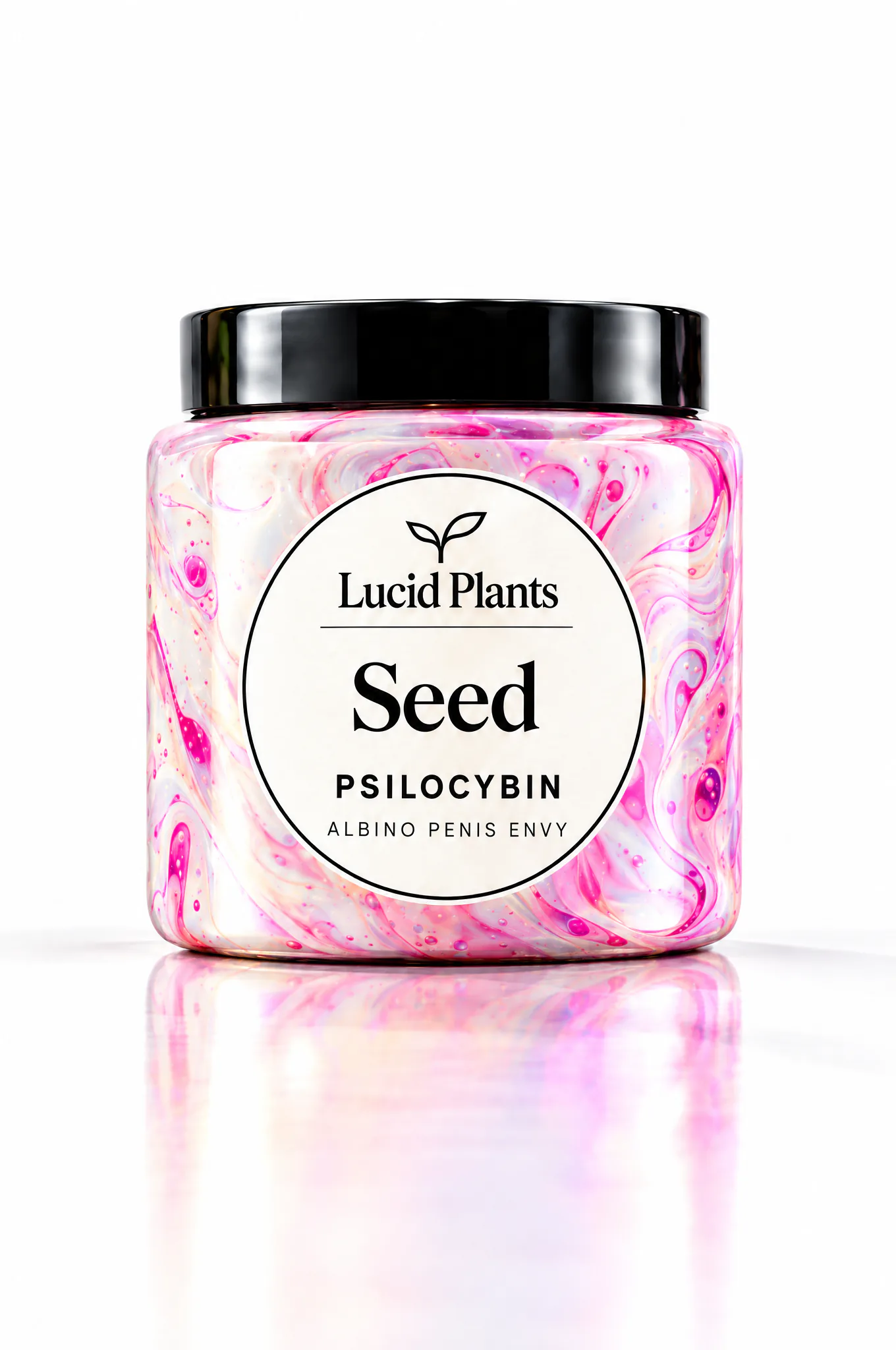
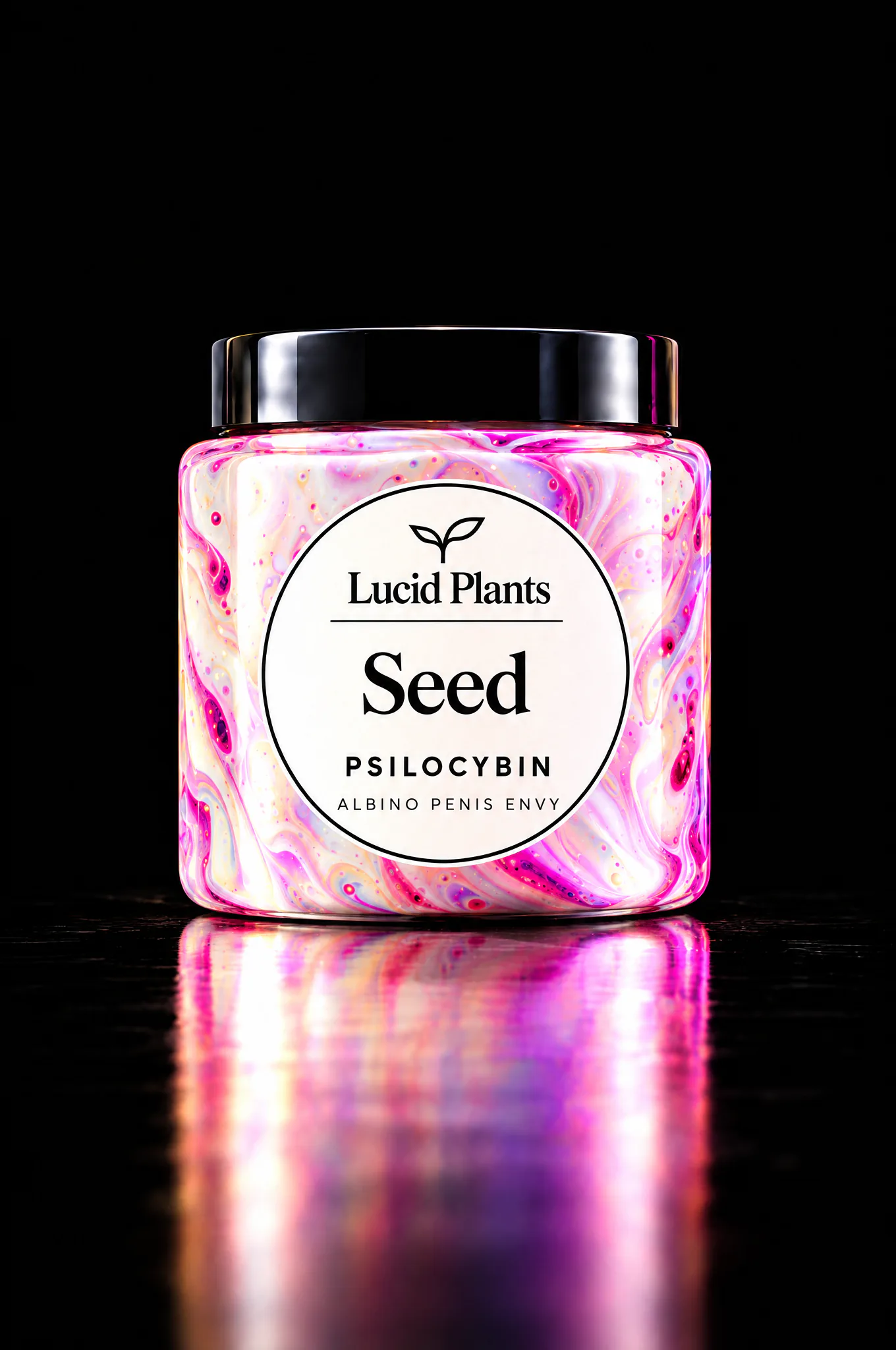 Albino Penis EnvyPSILOCYBIN
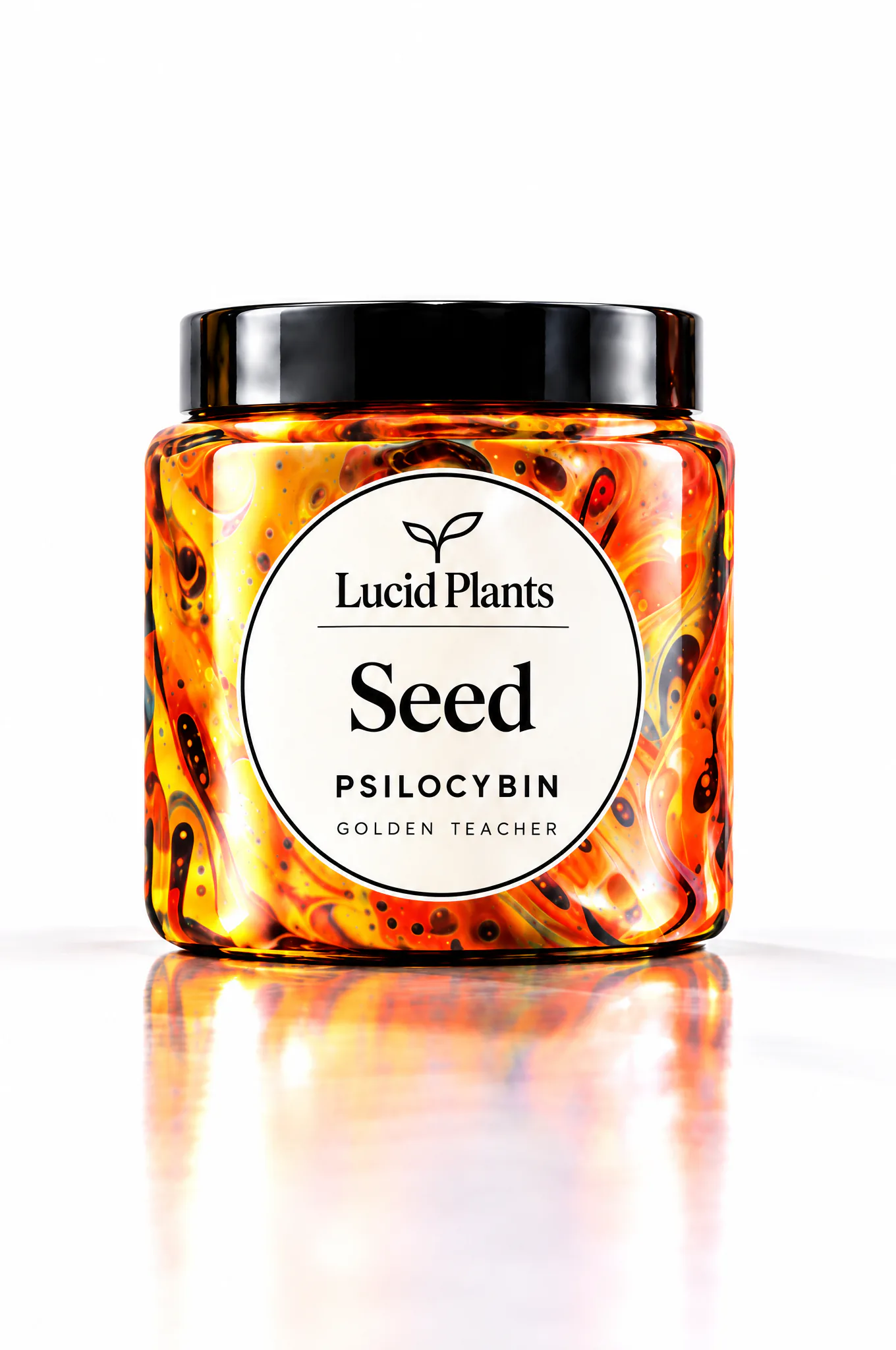
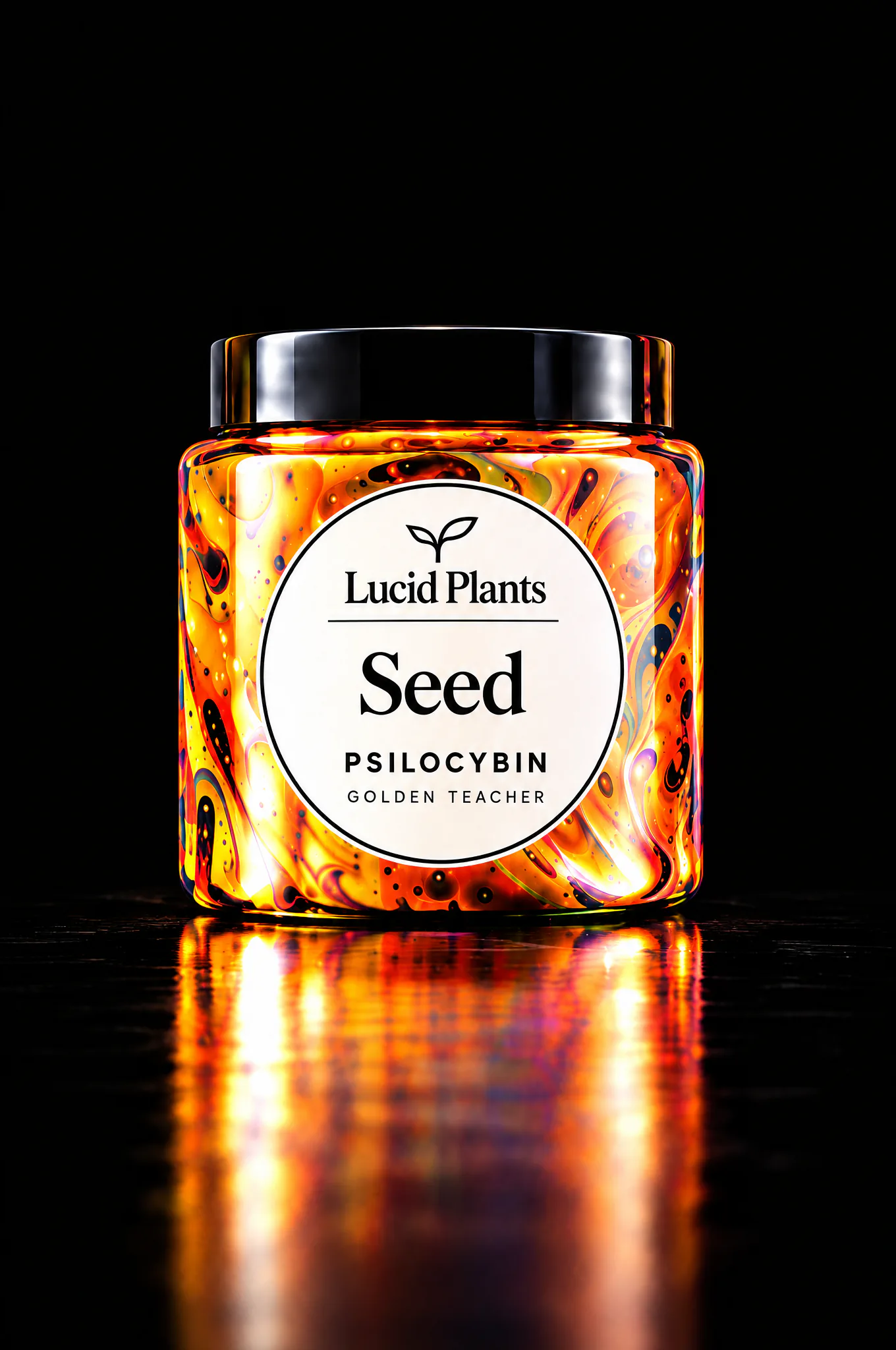 Golden TeacherPSILOCYBIN
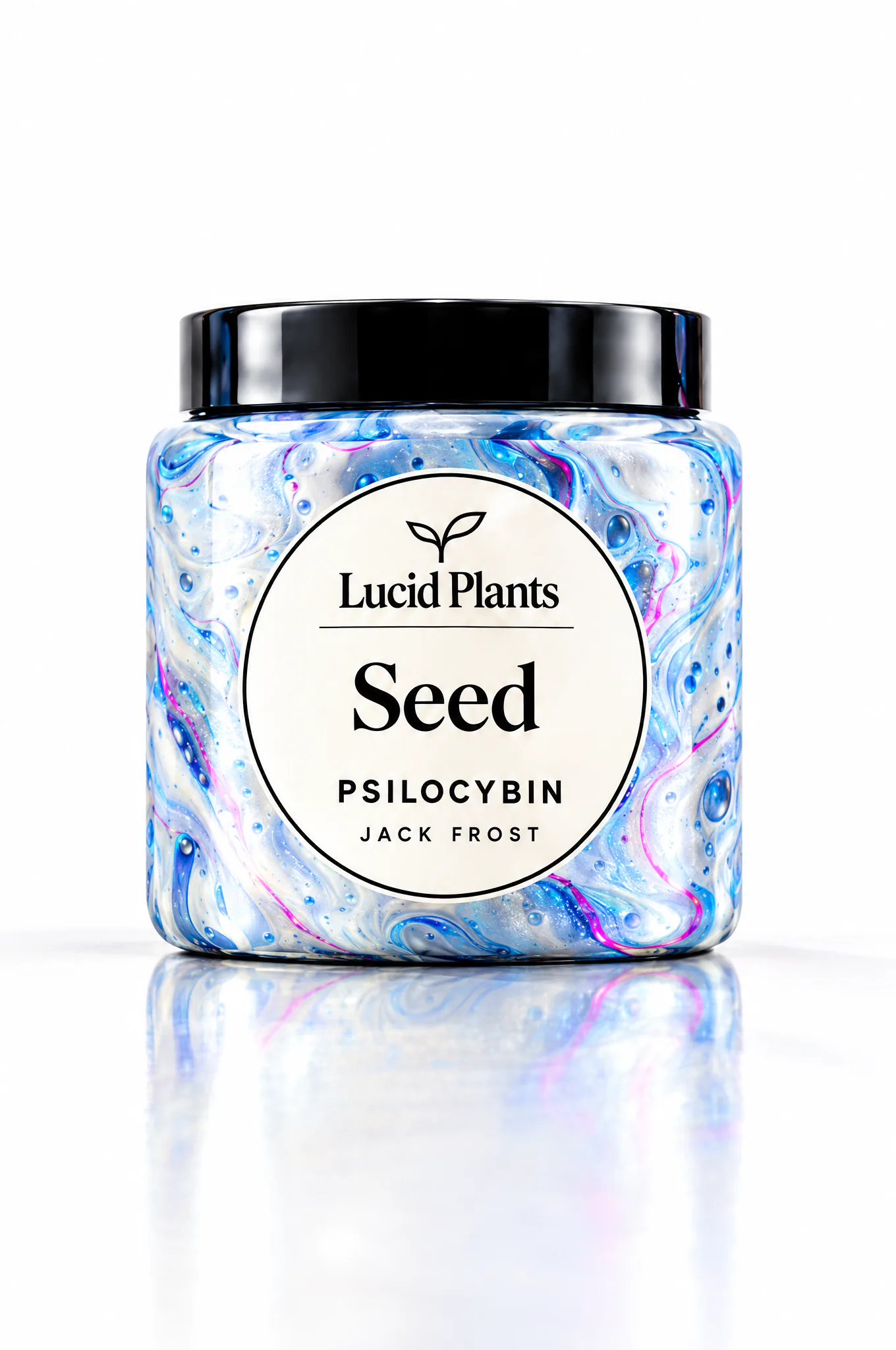
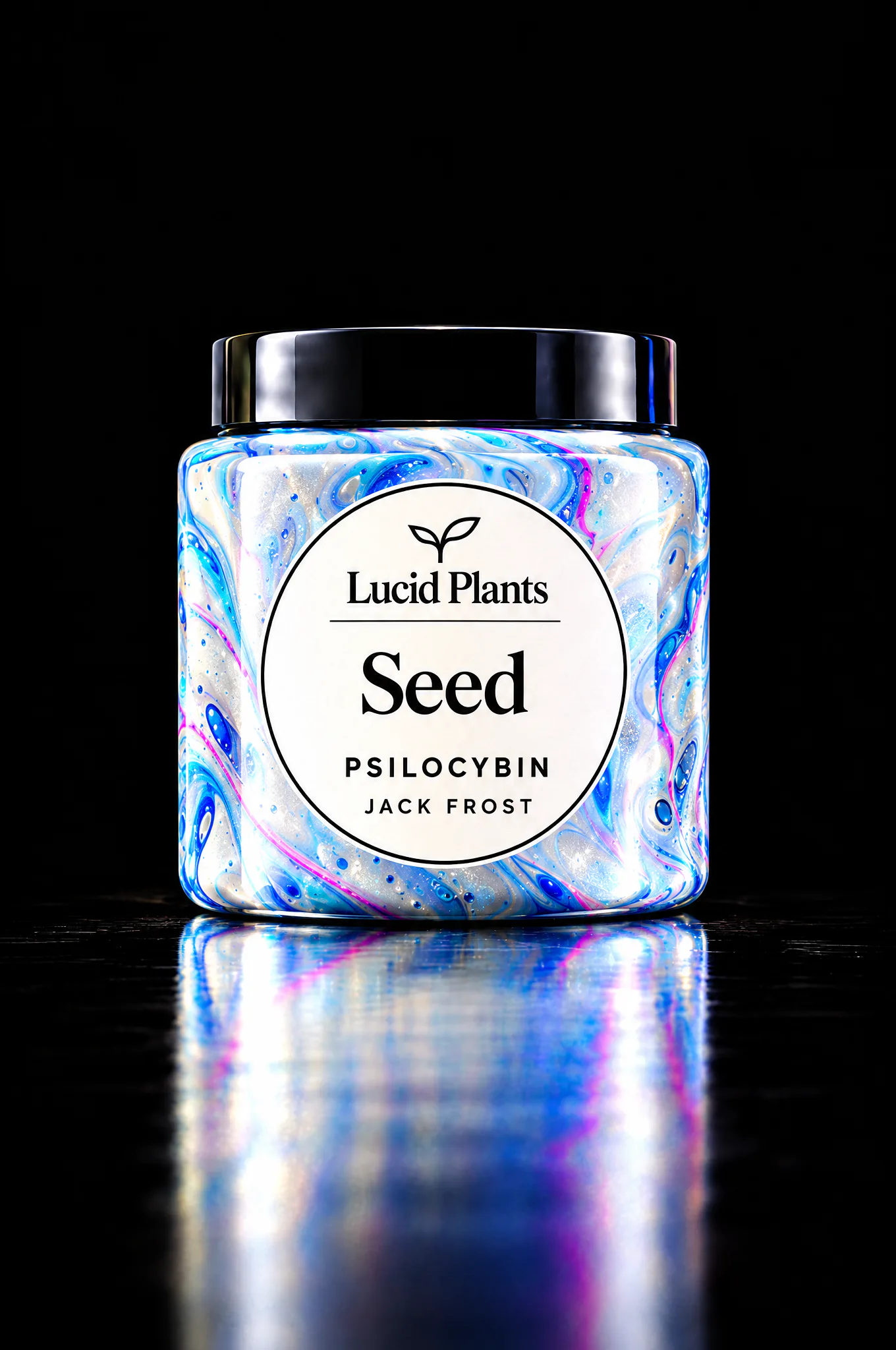 Jack FrostPSILOCYBIN
A quiet psilocybin capsule built around intention, clarity, and what may grow afterward.
Meet SeedOur fullest ayahuasca expression, held with respect for the living traditions that carried it.
Meet The Brew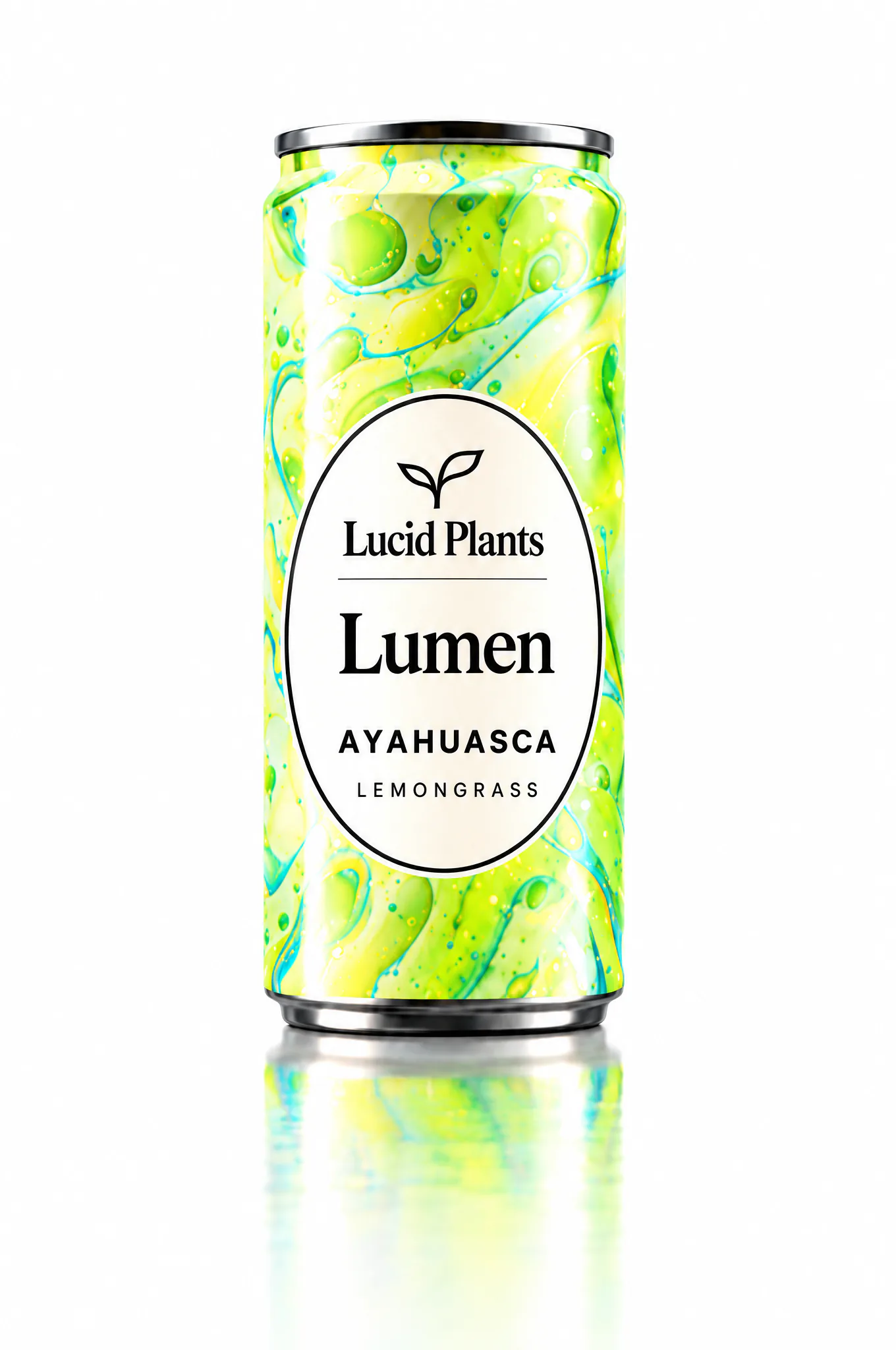
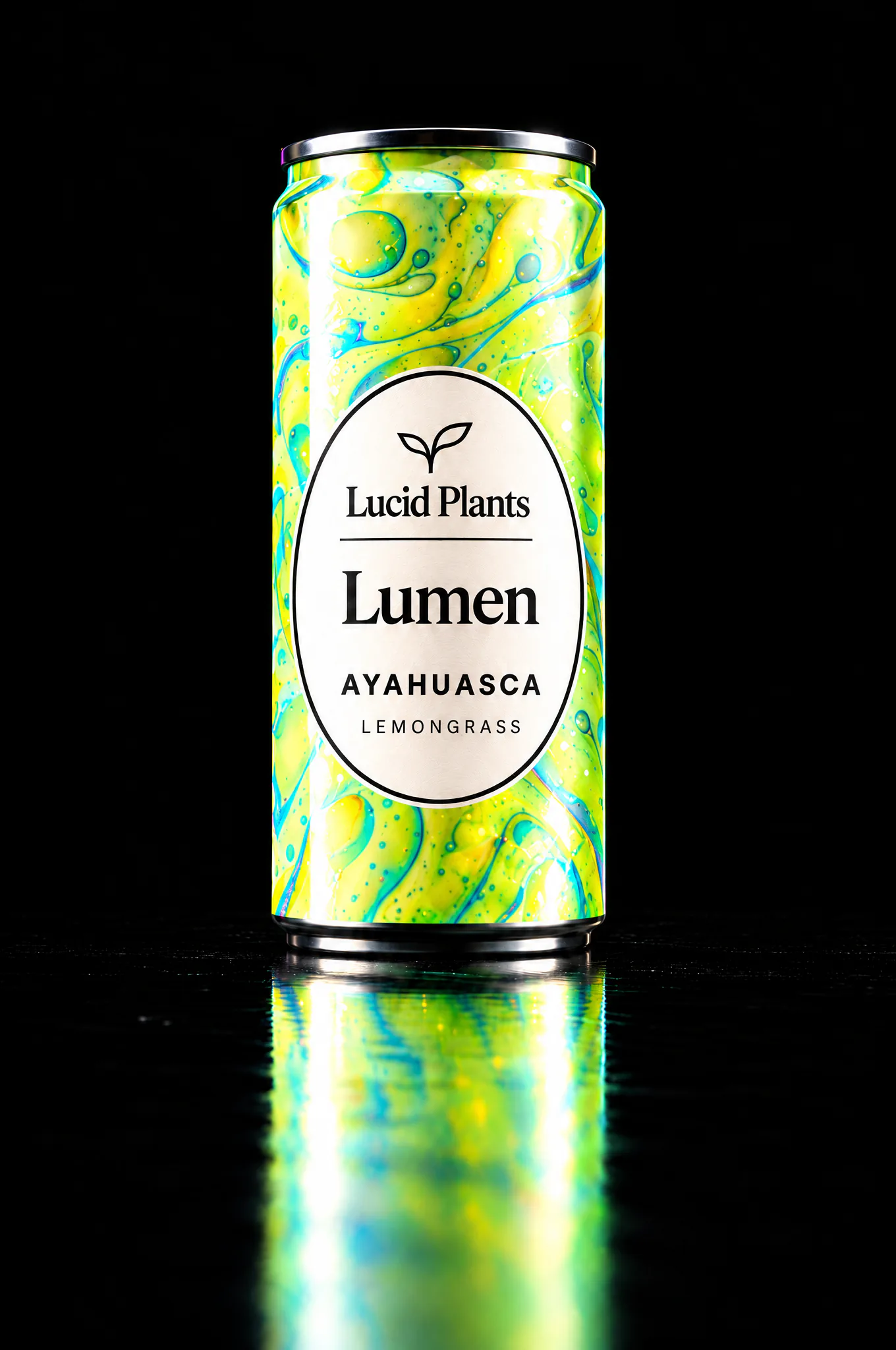 LemongrassAYAHUASCA
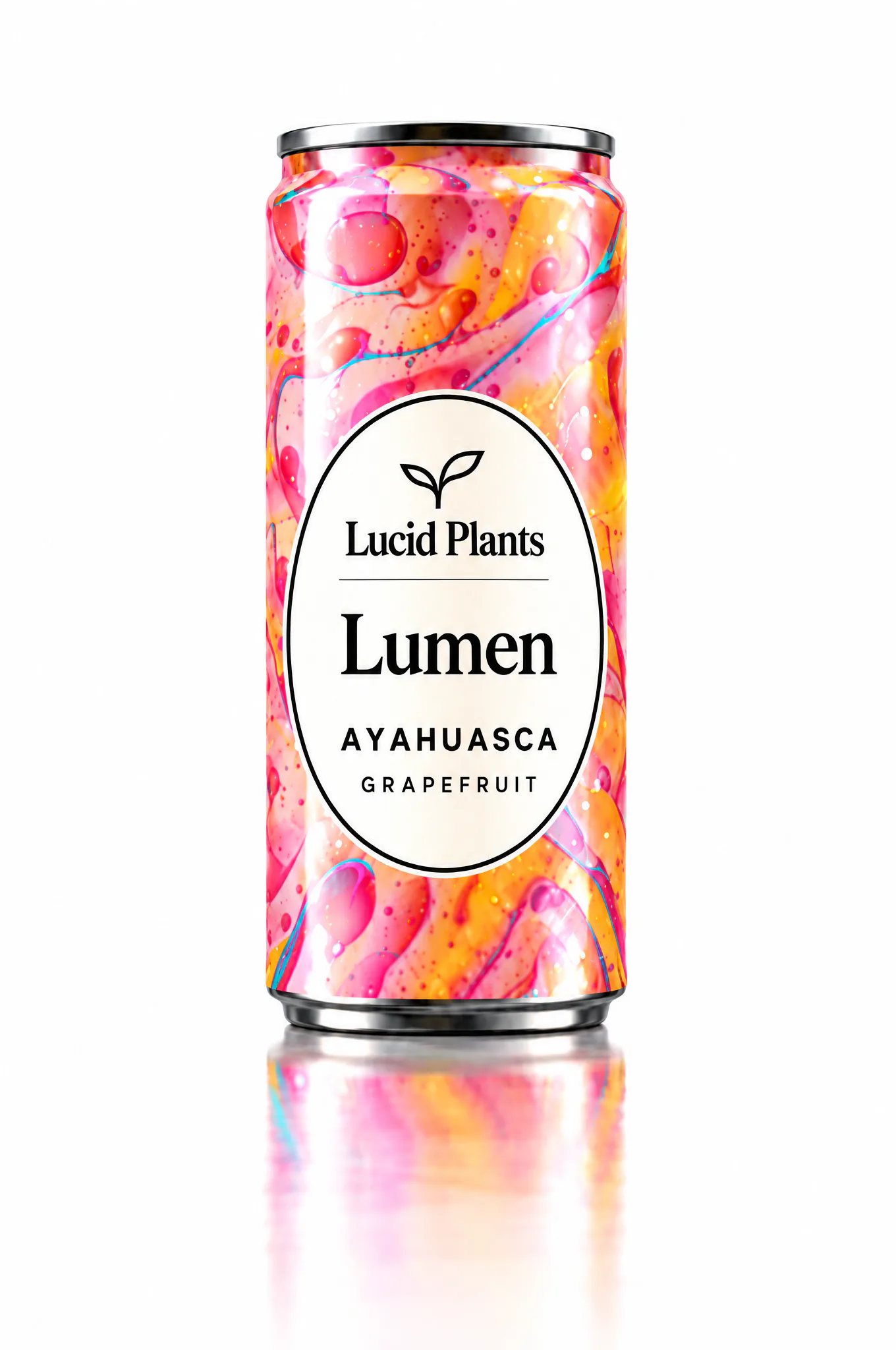
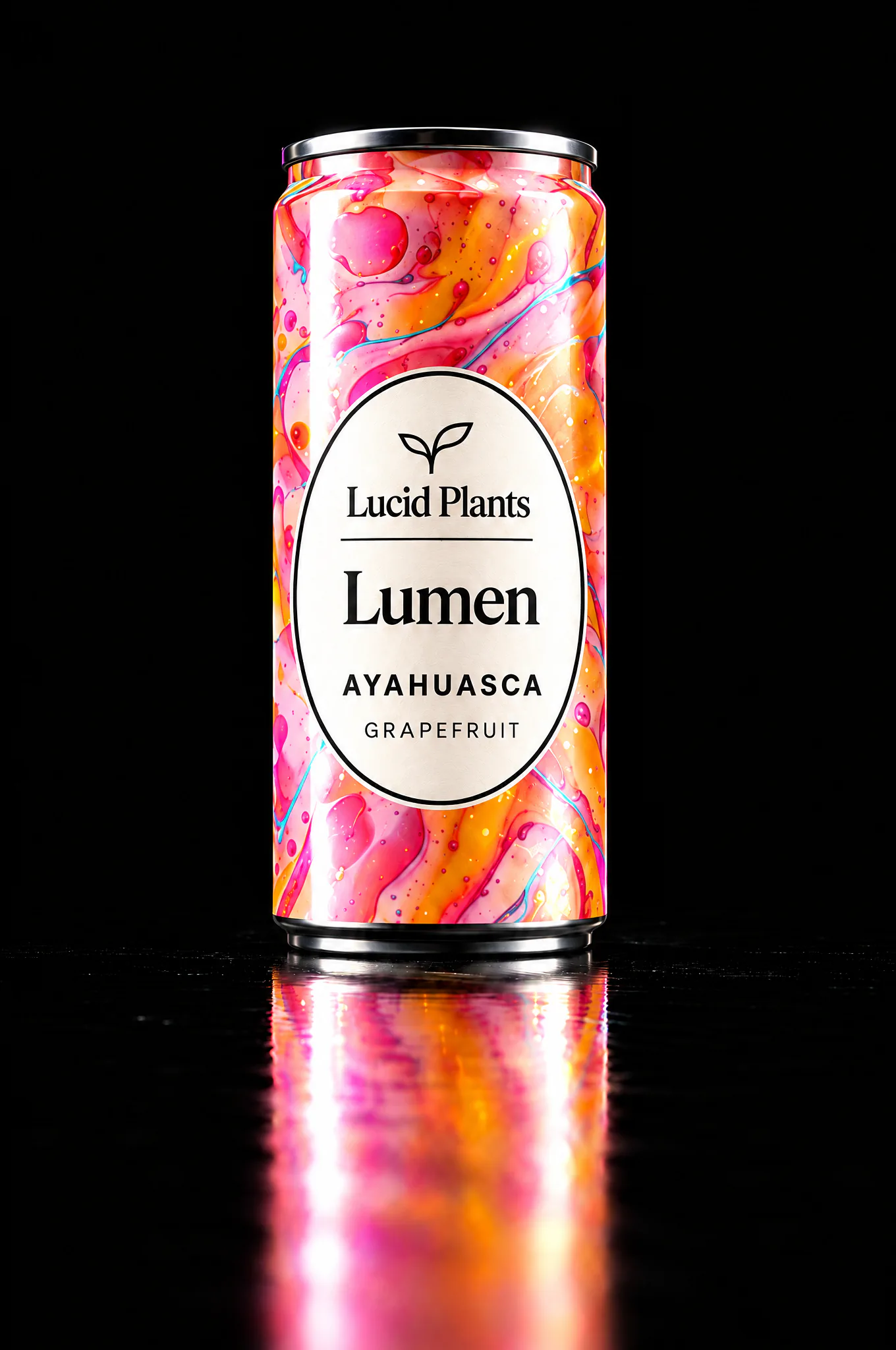 GrapefruitAYAHUASCA
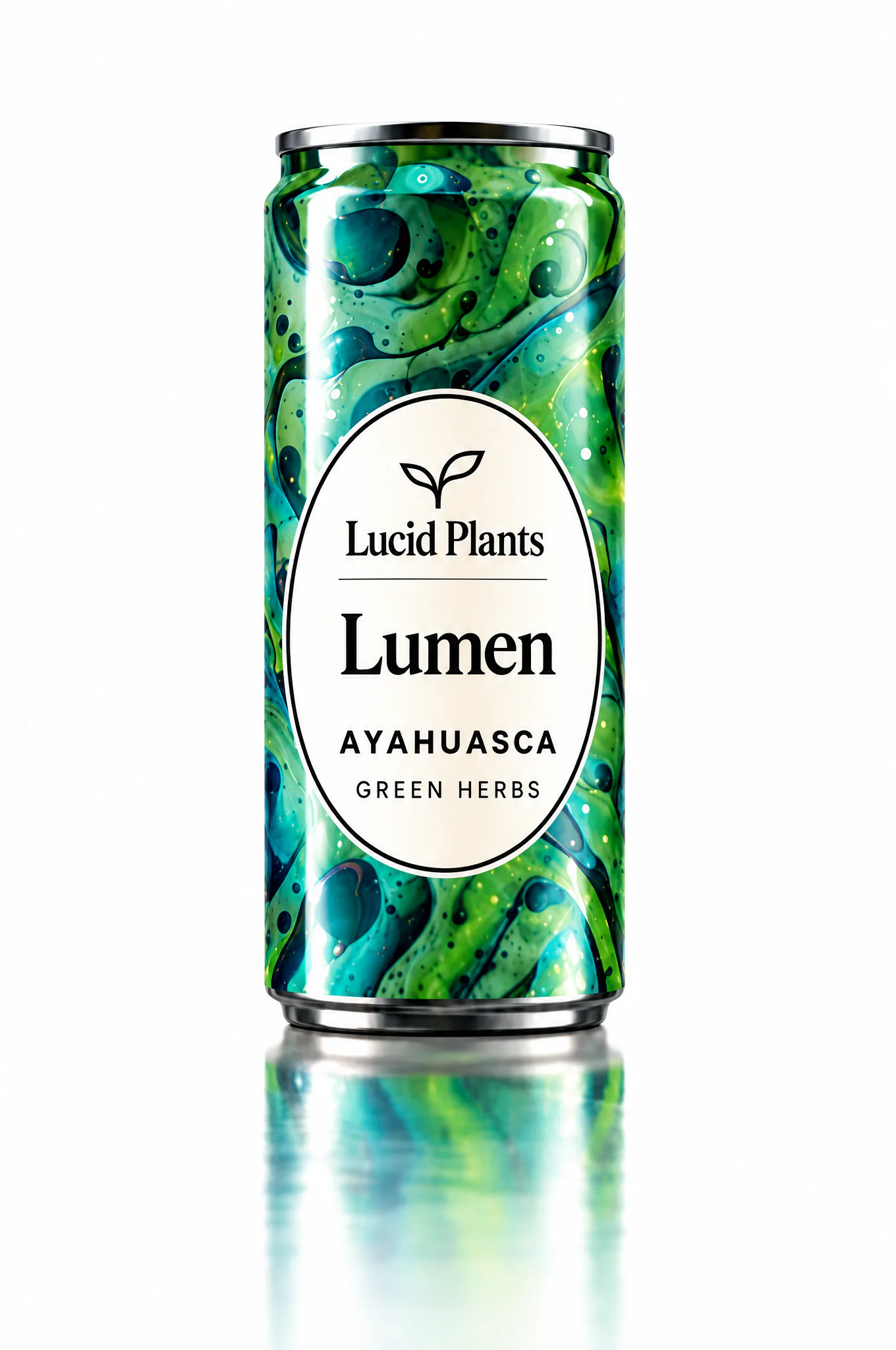
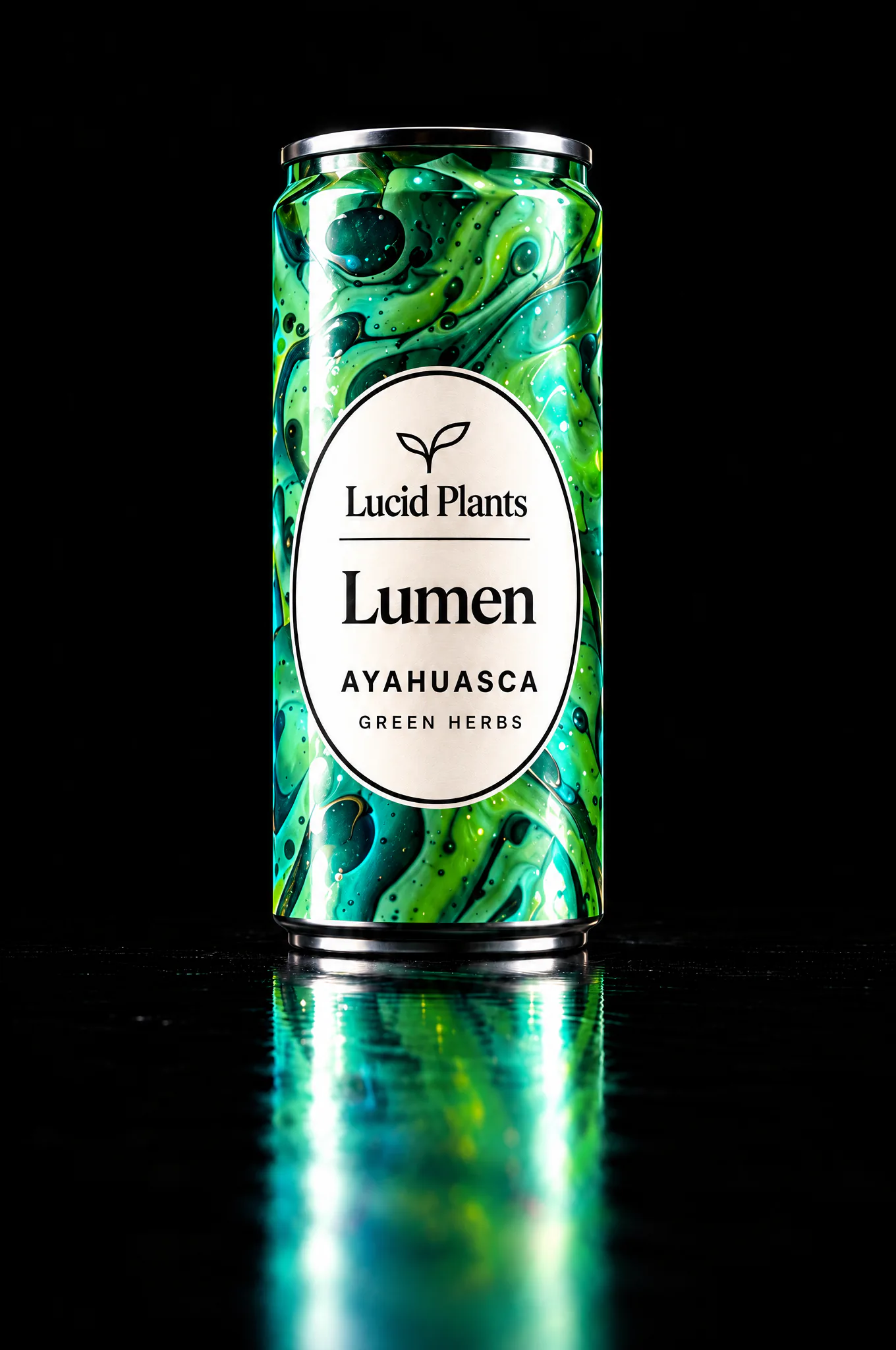 Green HerbsAYAHUASCA
A contemporary ayahuasca-infused tea that keeps the source, the science, and the responsibility visible.
Meet LumenA changa blend that is its own preparation, with its own history and unanswered questions.
Meet The BlendPrecise LSD tablets, connected to the molecule that opened modern psychedelic science.
Meet Microdots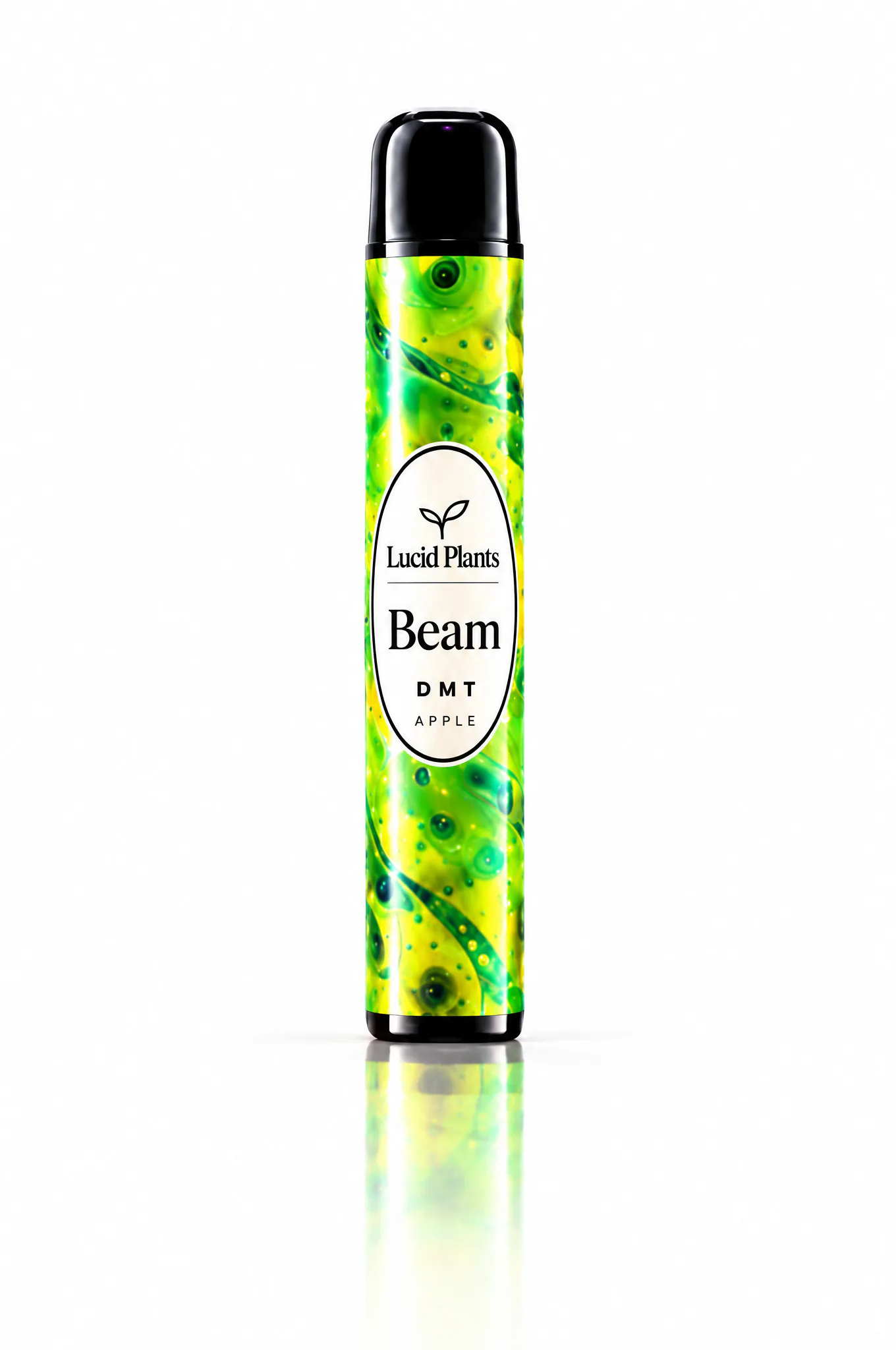
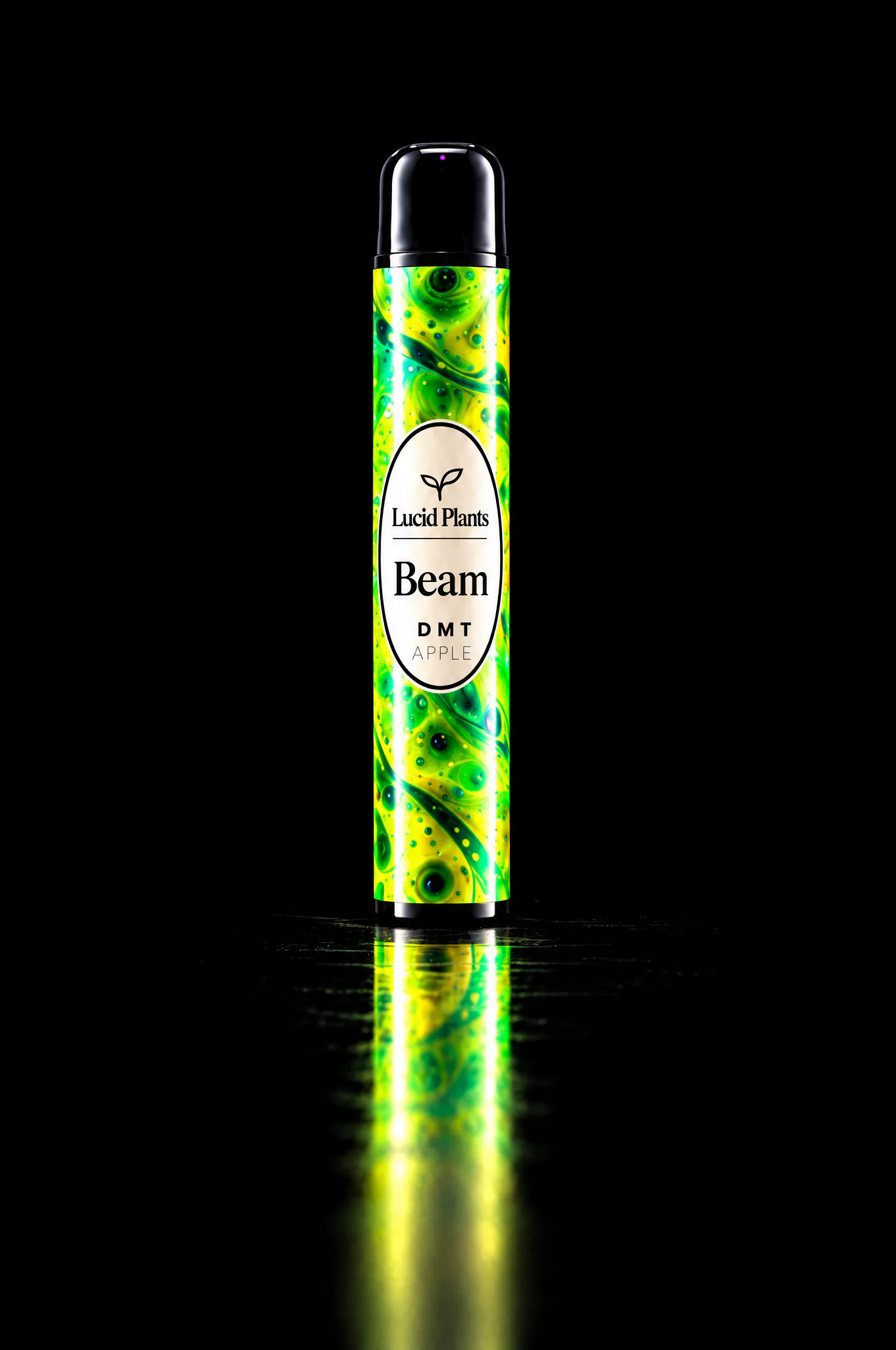 AppleDMT
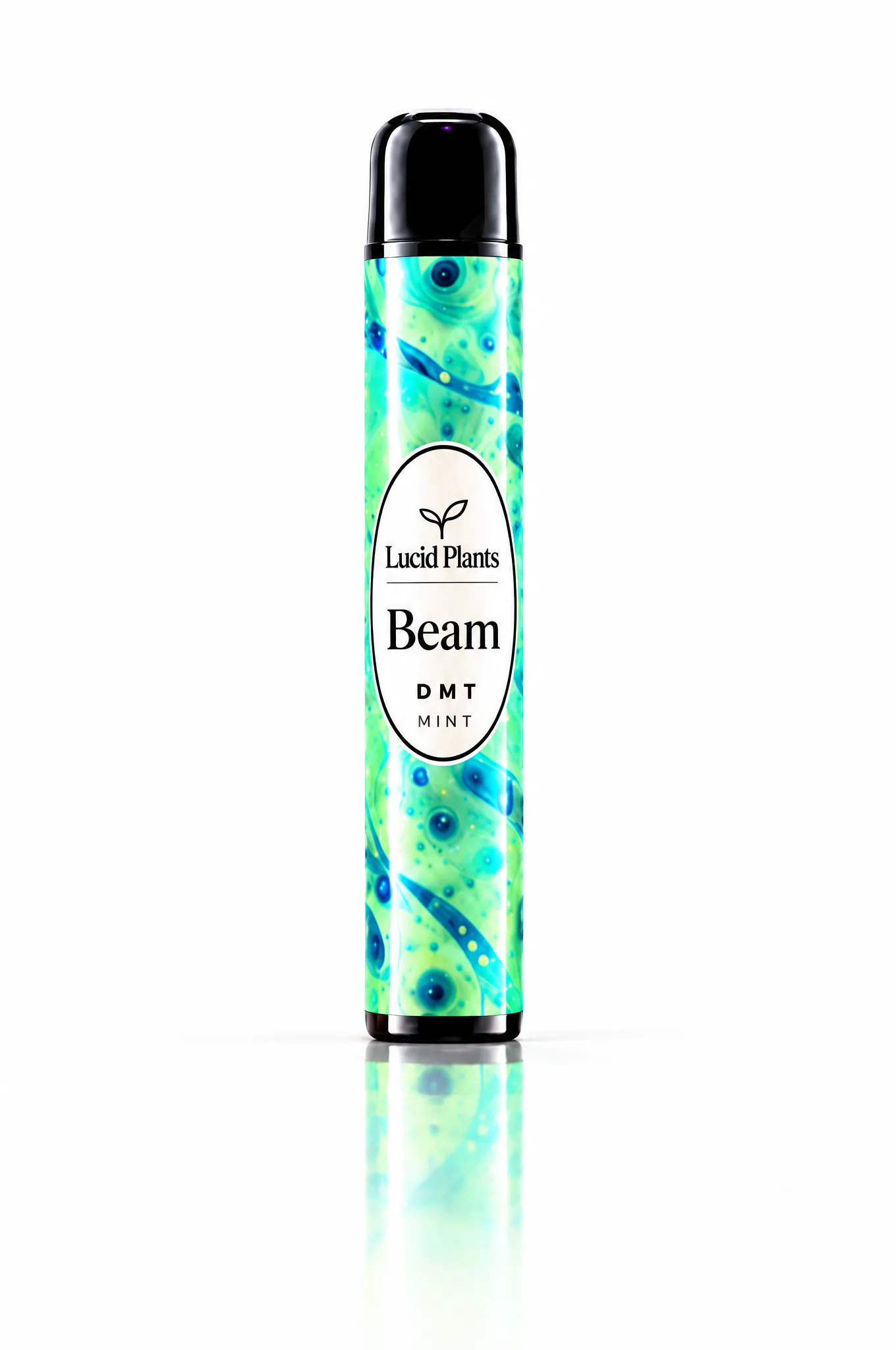
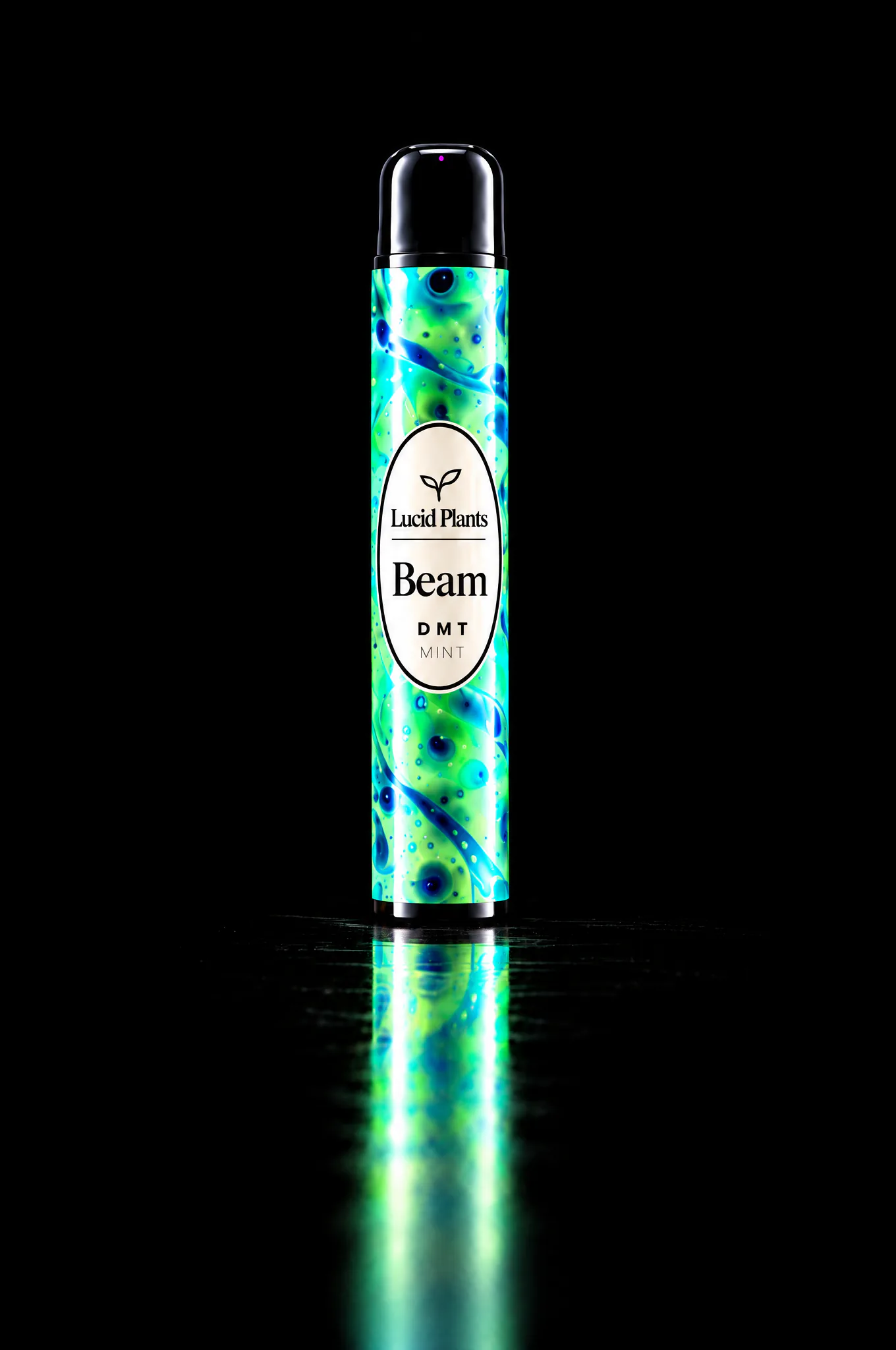 MintDMT
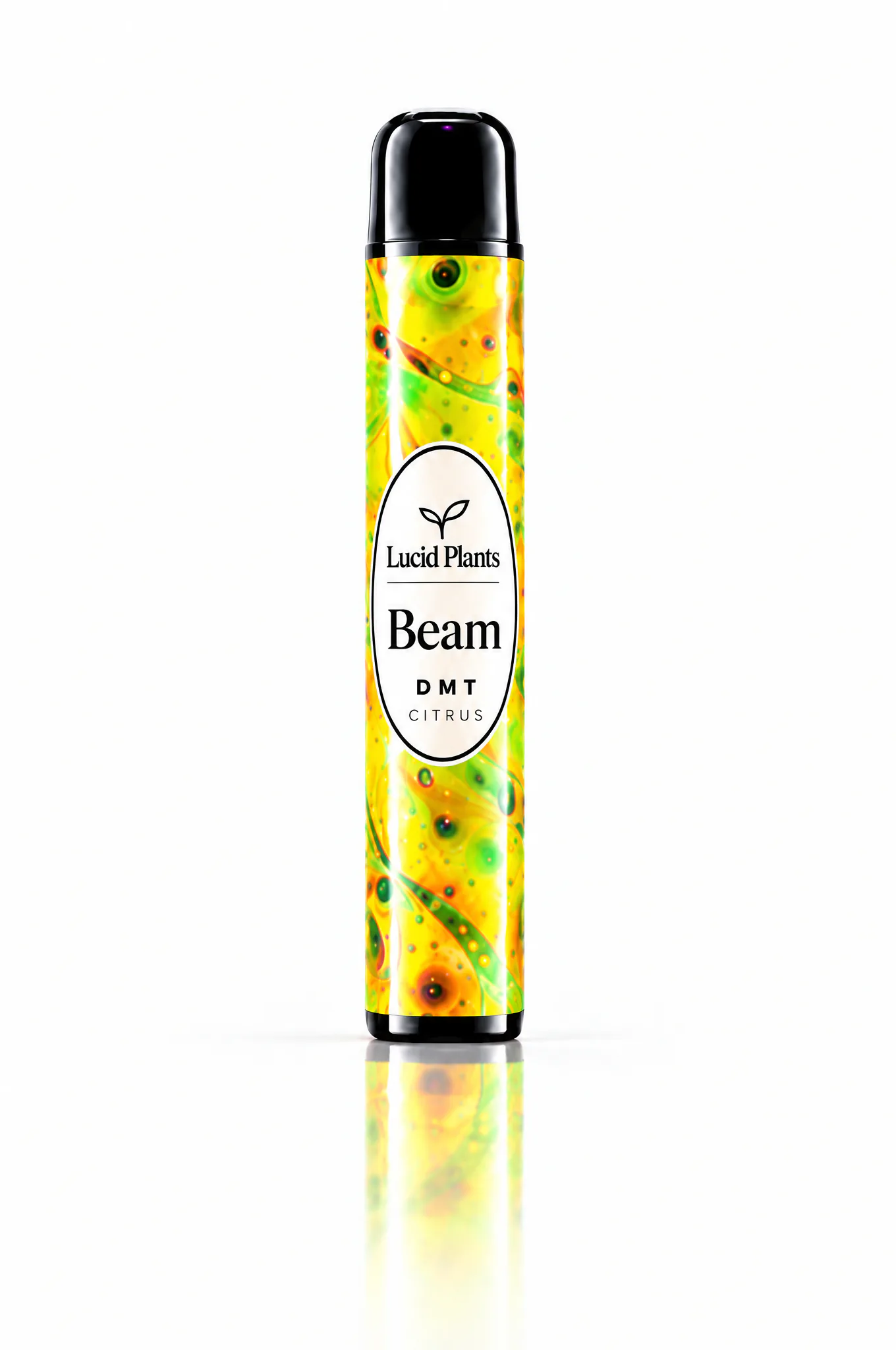
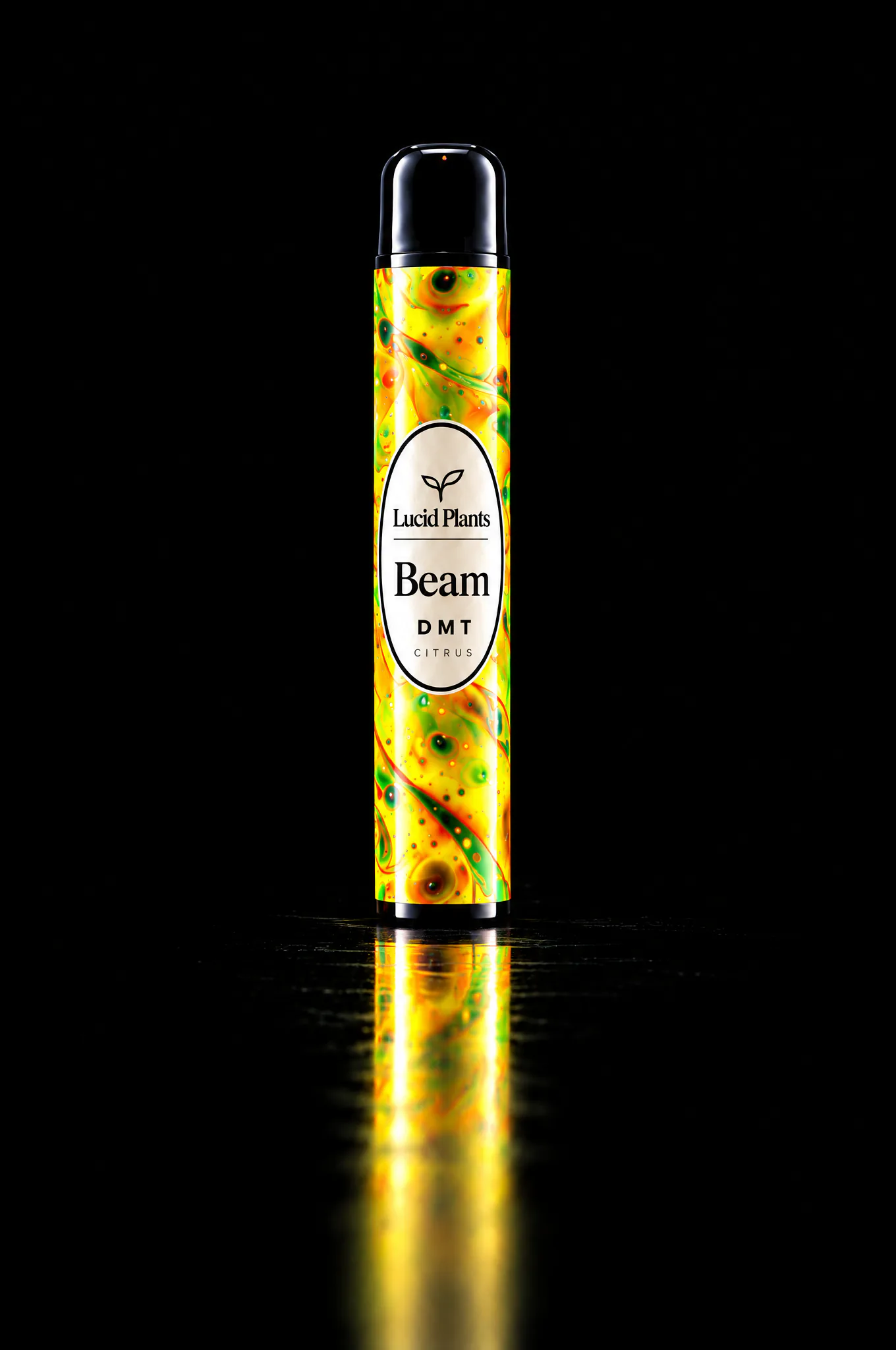 CitrusDMT
A focused DMT pen for a substance whose speed has made it one of psychedelic research's sharpest questions.
Meet BeamA concentrated mescaline spray in a small glass bottle, made in the laboratory so that no cactus is taken.
Meet MistPsychedelics are substances that change how you perceive yourself and the world. Several of them occur in nature. Psilocybin is a mind-altering compound in certain mushrooms. DMT occurs in plants such as chacruna, whose leaves usually go into the ayahuasca brew of the Amazon. Mescaline is found in the peyote cactus. LSD is different: Albert Hofmann first made it in a Swiss laboratory in 1938, from compounds in ergot, a fungus that grows on rye.5678910
People knew some of these plants long before modern drug laws. Objects shaped from peyote and found in a cave in Texas are about six thousand years old. In twentieth-century Mexico, the Mazatec healer María Sabina used mushrooms in healing ceremonies.111213
In the 1950s and early 1960s, doctors studied LSD seriously. Historians estimate that more than a thousand clinical reports described LSD treatment in about forty thousand patients. Then the scare stories came. A newspaper turned a laboratory finding into the headline "Genetic Damage Is Linked to LSD". A state official invented a story about students who went blind on LSD. In 1970 the United States put LSD and psilocybin in Schedule I, the strictest category of its drug law, and by the mid-1970s tighter laws, scarce supply, lost funding and stigma had made much of that research fade away.141516171819
We believe that campaign held humanity back from the truth. We believe psychedelics are medicine, and the research that has returned gives us concrete reasons. In a trial with 104 people with major depression, those given psilocybin had improved 12.3 points more on a depression scale after 43 days than those given niacin, an active placebo. In a pilot trial with 82 smokers, where both groups also had behavioral therapy and everyone knew which treatment they got, 40.5 percent of those given psilocybin had verifiably stayed off cigarettes six months later, against 10 percent of those given nicotine patches.202122
Lucentive builds the infrastructure for the post-scarcity world. The singularity has happened. The new world is here. We believe in co-creating a better world for all of us. You are part of it.33
Lucentive's ventures each bring that world into one part of life. Life of Us, for example, is a personal operating system built for any person and any kind of life. Lucid Plants brings it to psychedelics: we believe they are medicine, and we are working with policymakers toward the day people can get our medicine legally.1203435
Six words guide how we build Lucid Plants.
Early access
Apply for early access to Lucid Plants. Sign in with Lucentive One, the one account for everything Lucentive builds, and tell us a little about yourself and the medicine you are drawn to.
It takes a minute, and you can change your answers or leave whenever you want.